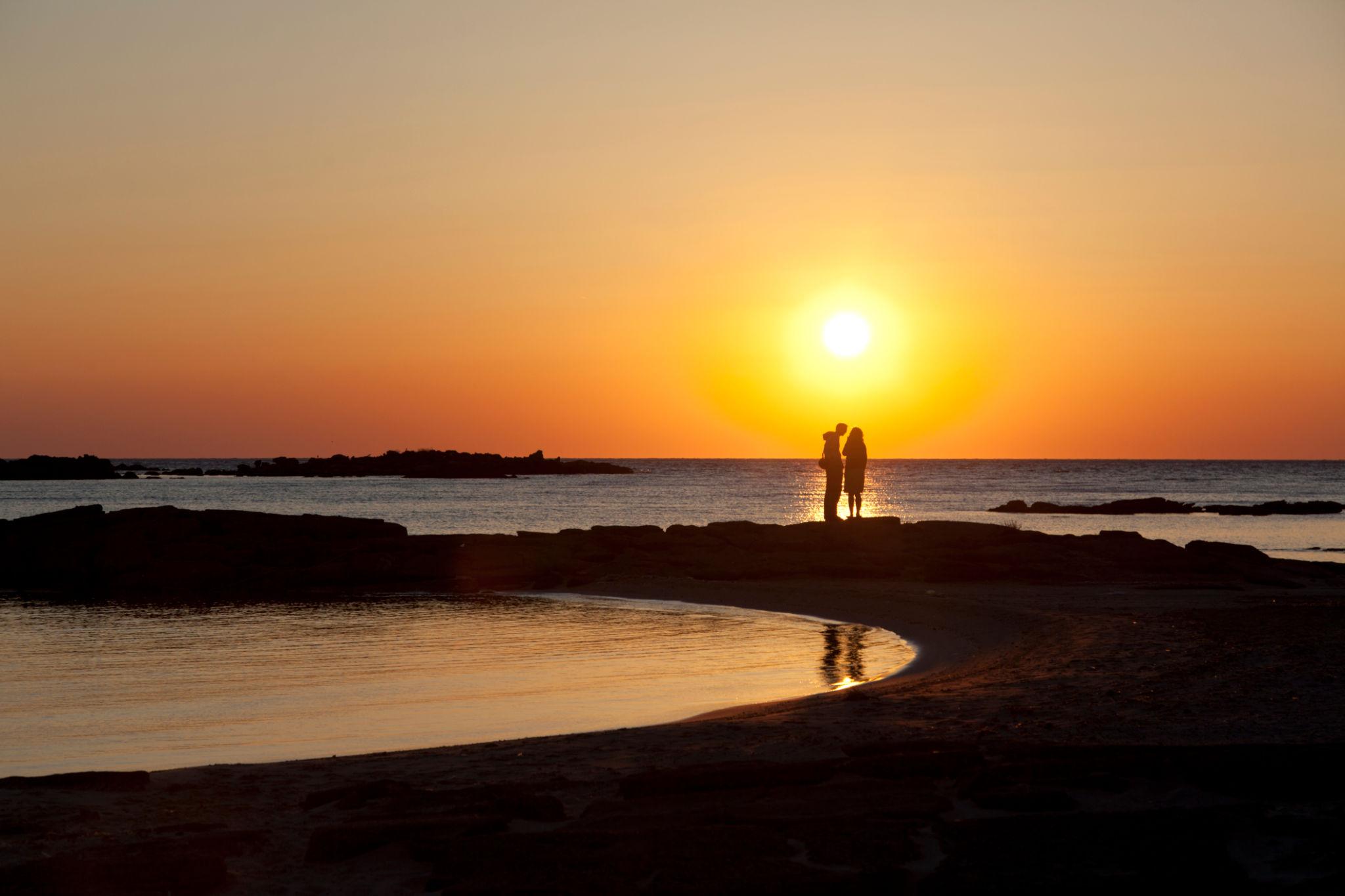
Crete is more than a destination — it is an experience layered with myth, history, nature, and living tradition. The largest island in Greece invites travelers not only to visit, but to connect. Beyond the beaches and postcard sunsets lies a land shaped by ancient civilizations, rugged landscapes, and the warm rhythm of Cretan life.
A Land of Myth and Memory
4
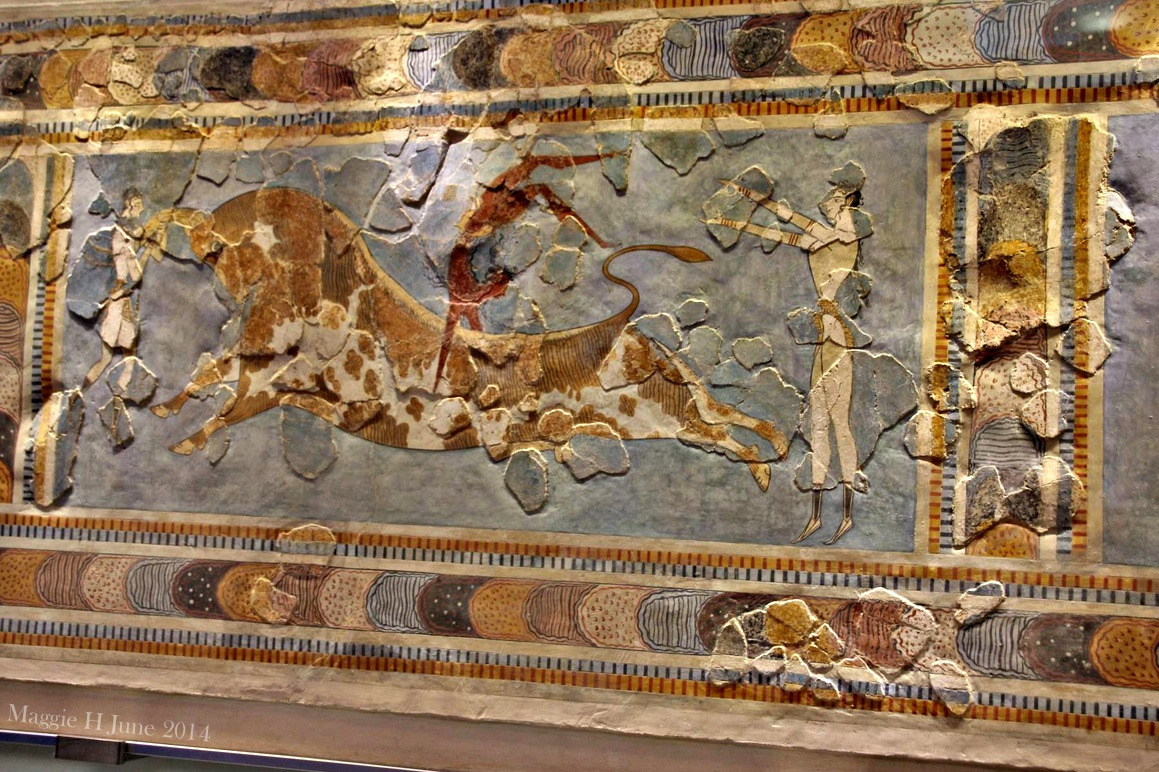
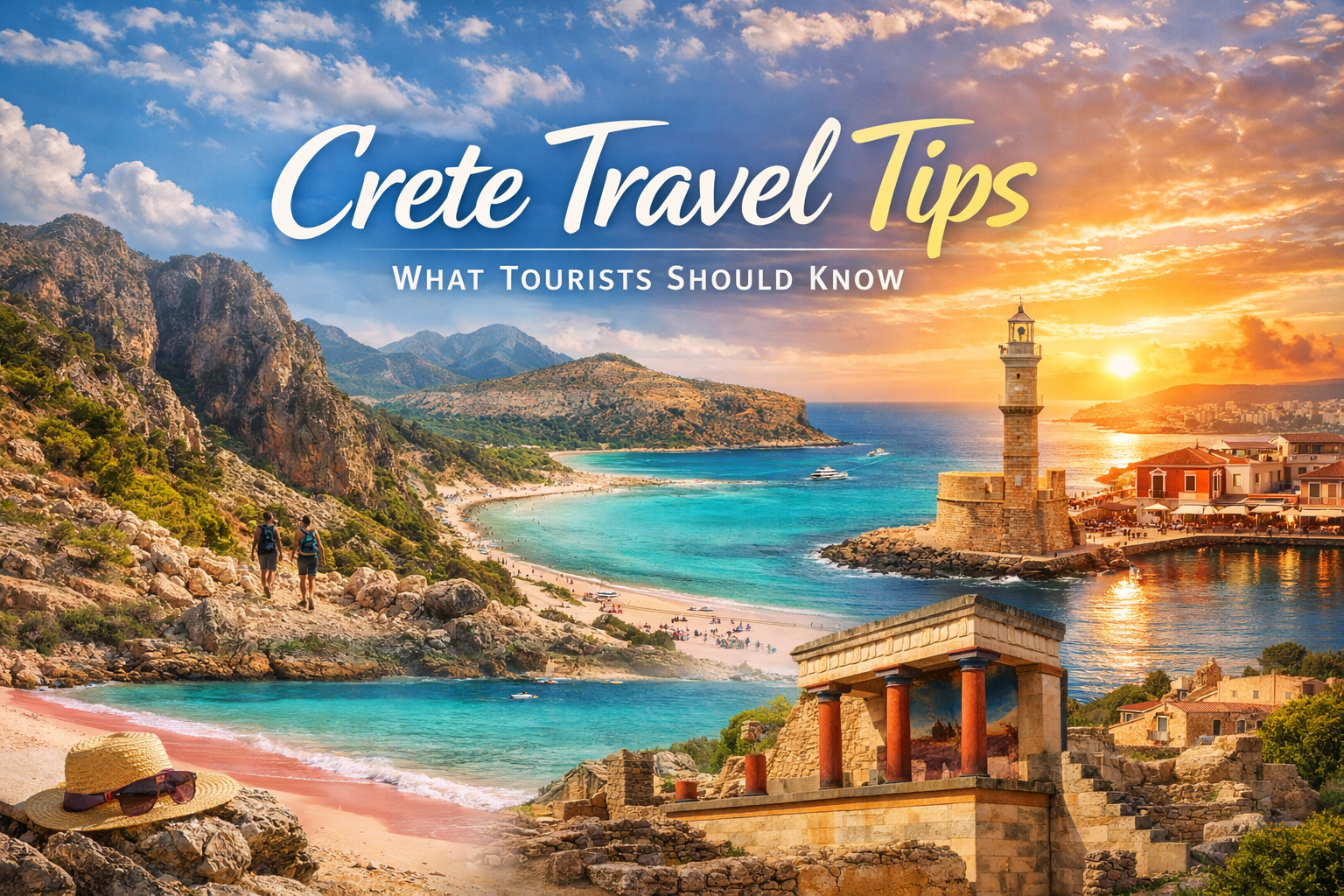
Crete is the cradle of Europe’s earliest advanced civilization — the Palace of Knossos, center of the Minoan world that flourished over 3,500 years ago. Walking through its ruins, visitors encounter the echoes of King Minos, the legend of the Minotaur, and the labyrinth that still fuels imagination today.
Artifacts preserved in the Heraklion Archaeological Museumreveal the sophistication of Minoan art, trade, and daily life. Myth and history blend seamlessly here — even Mount Ida (Psiloritis), where Zeus was said to have been raised, stands proudly over the island as a reminder of Crete’s mythological depth.
Nature That Moves the Spirit
4
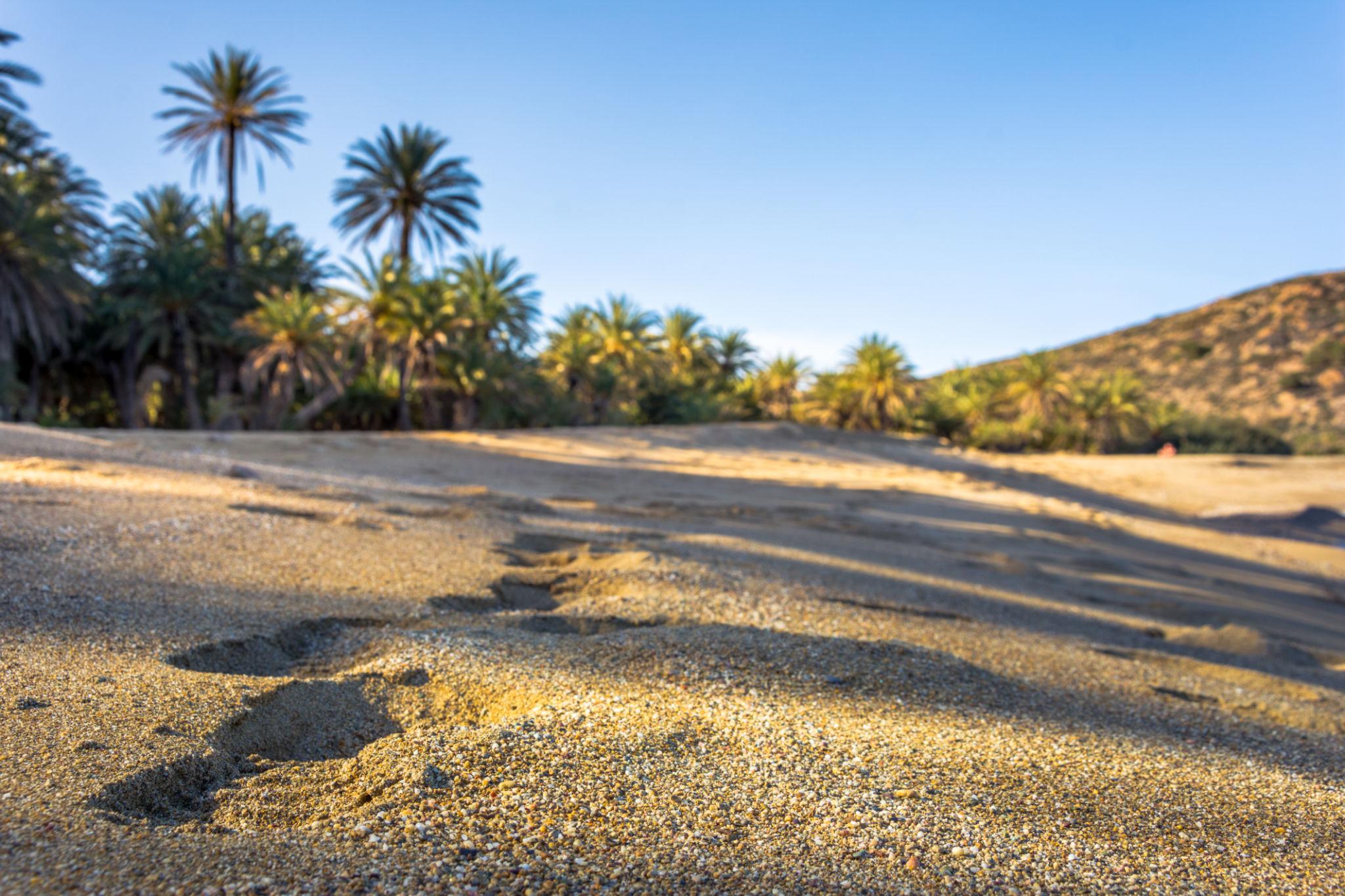
Crete’s landscapes are strikingly diverse. From dramatic gorges to pink-sand beaches and towering mountain ranges, the island feels almost like a miniature continent.
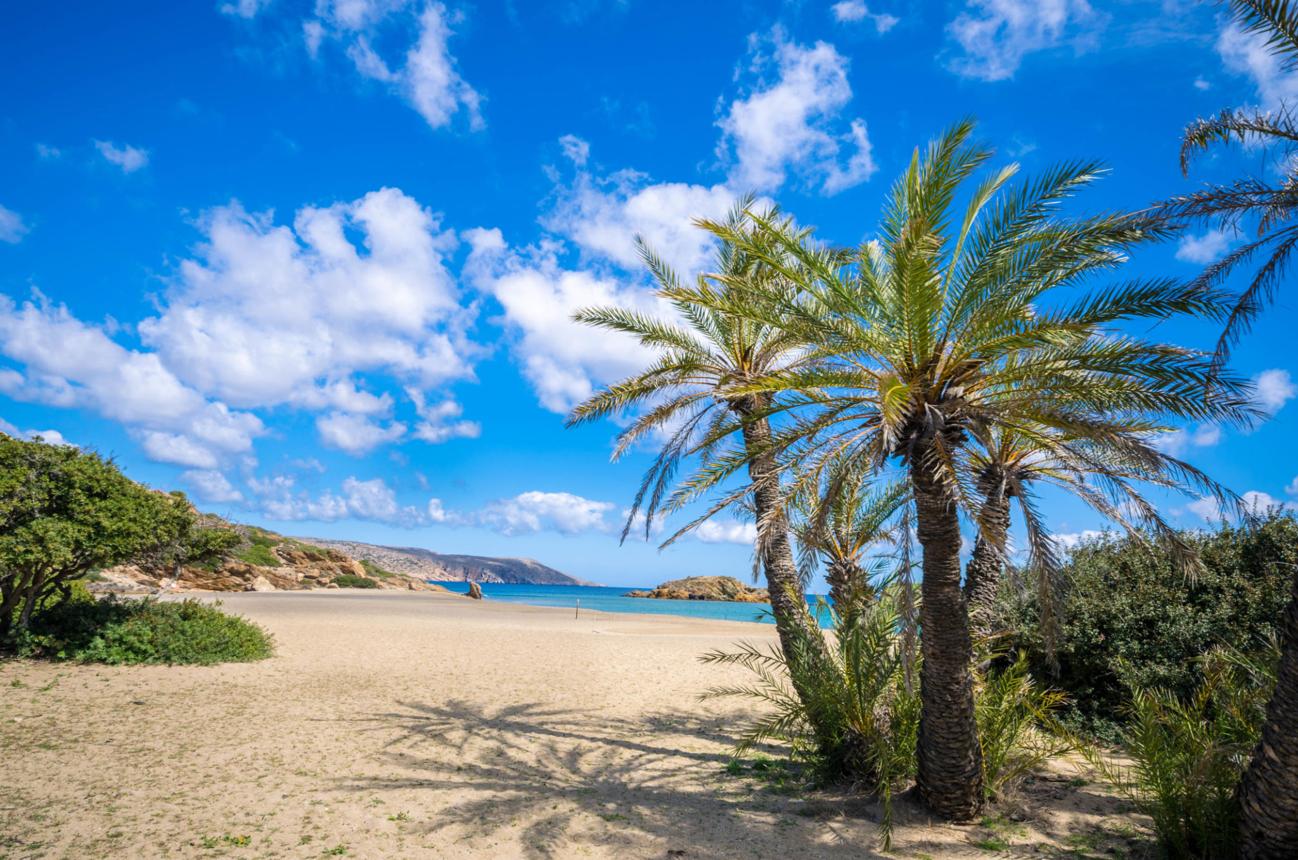
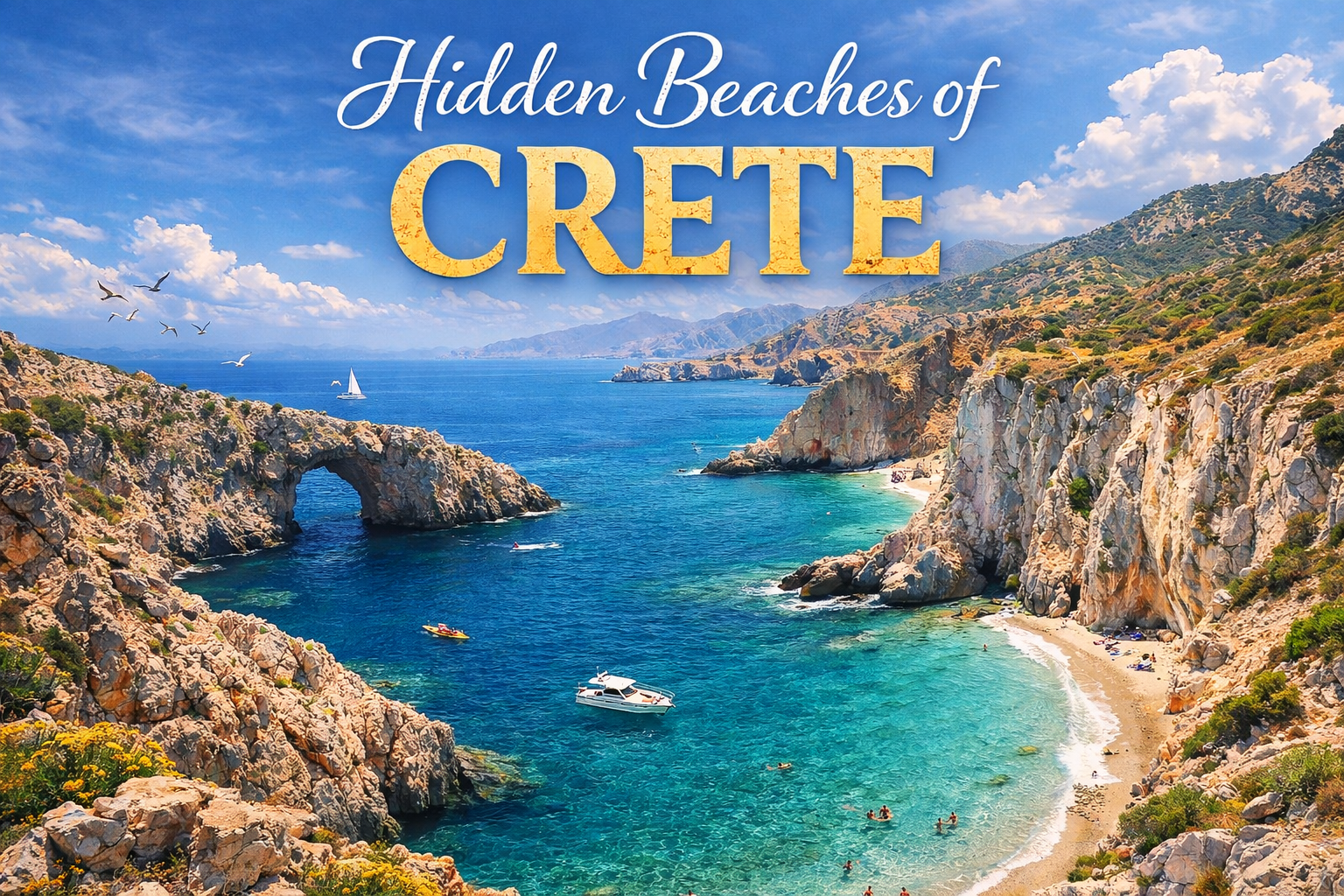
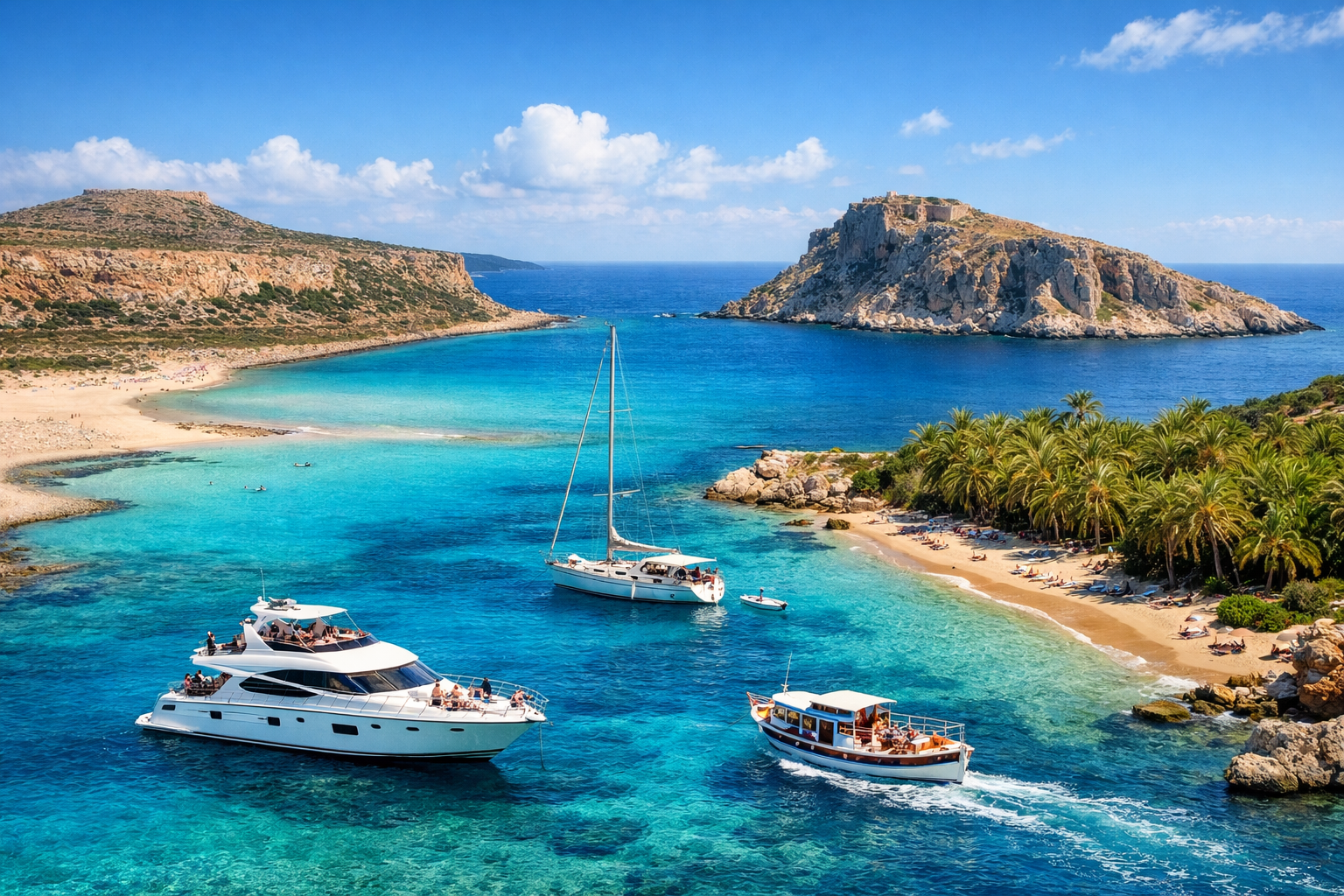
The Samaria Gorge offers one of Europe’s most breathtaking hikes, cutting through the White Mountains (Lefka Ori) before reaching the Libyan Sea. Meanwhile, the turquoise waters of Balos Lagoon and the unique shoreline of Elafonissi Beach showcase Crete’s softer, dreamlike beauty.
Here, nature is not just scenery — it is part of daily life. Shepherds still guide their flocks through mountain paths, and wild herbs scent the air in even the most remote villages.
Cities with Character
4
Each Cretan city carries its own personality, shaped by centuries of Venetian and Ottoman influence.
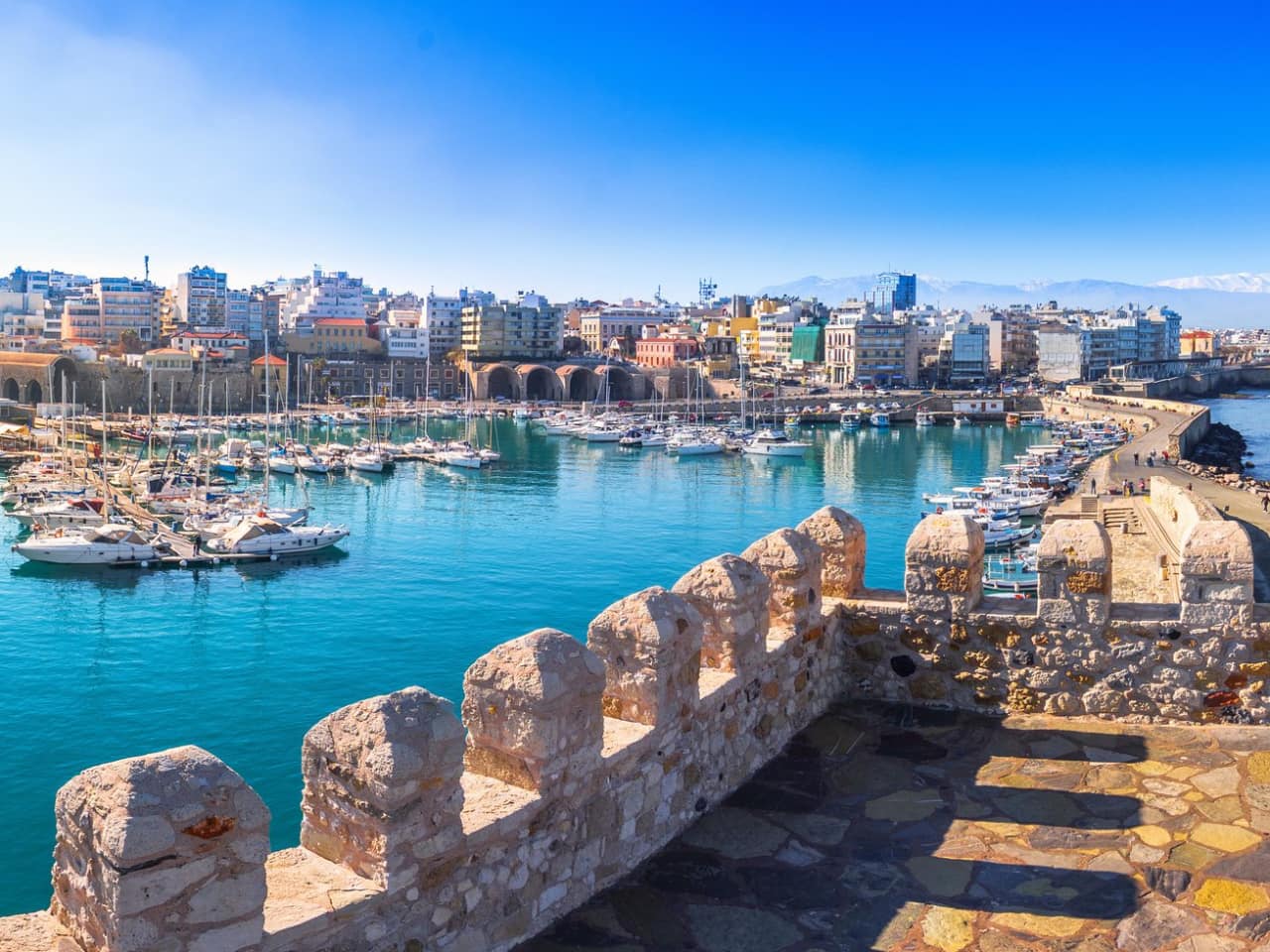
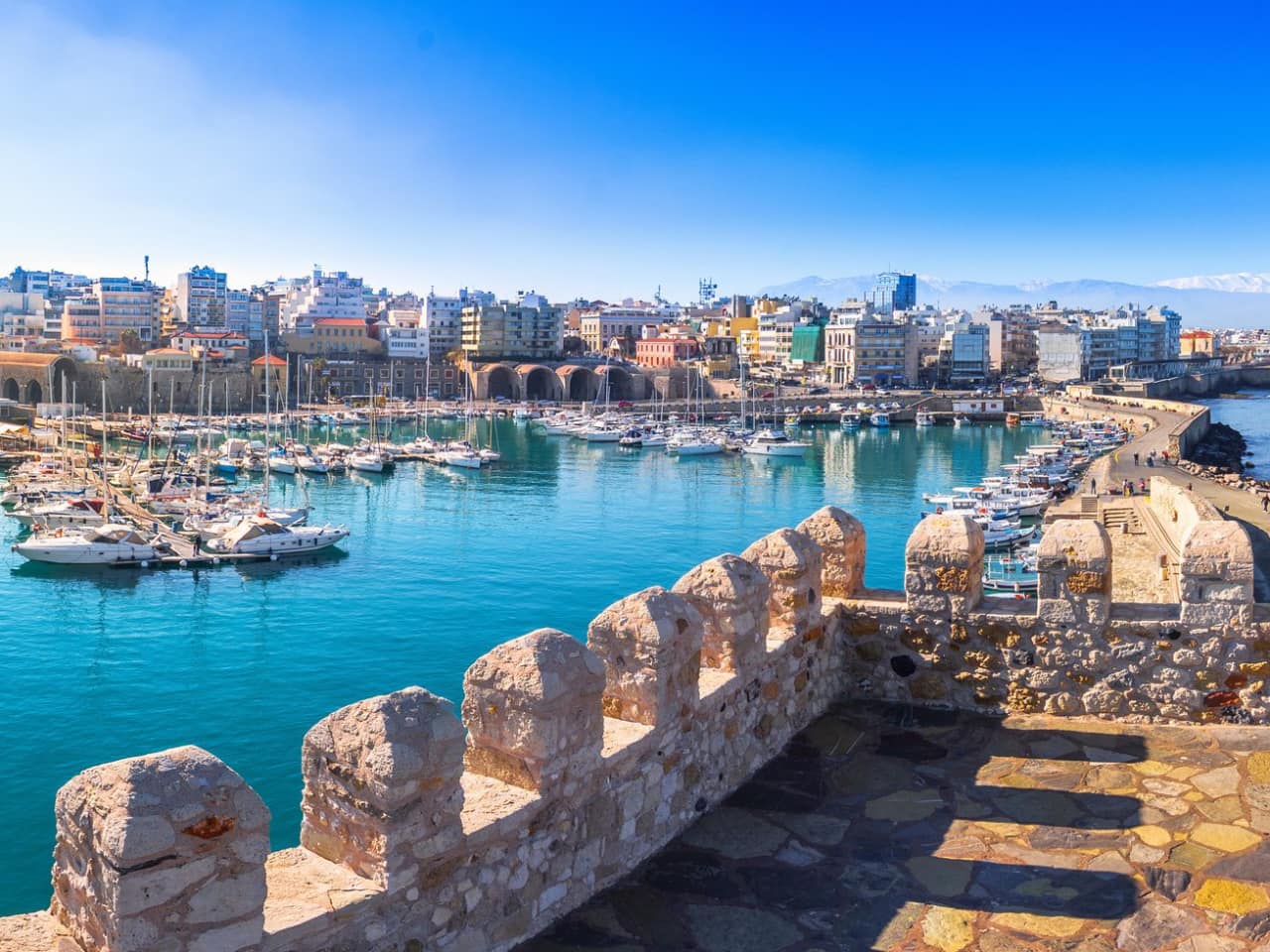
In Chania, the old Venetian harbor glows at sunset, with narrow alleys leading to hidden courtyards and artisan shops. Rethymno charms visitors with its Renaissance architecture and vibrant student life. Meanwhile, Heraklion, the island’s capital, blends modern energy with ancient heritage.
Beyond their architecture, what truly defines these cities is their hospitality — the unmistakable Cretan welcome known as philoxenia.
The Taste of Crete
4
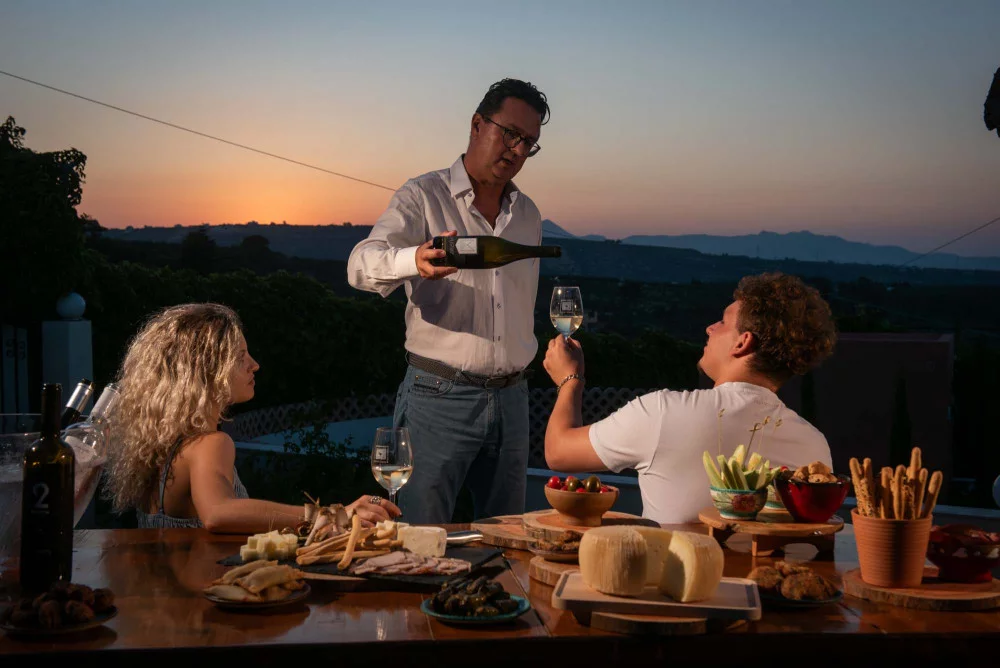
Cretan cuisine is rooted in simplicity and authenticity. Olive oil flows generously, vegetables burst with flavor, and local cheeses reflect centuries of pastoral tradition.
Dishes like dakos (barley rusk topped with tomato and feta), slow-cooked lamb, wild greens, and fresh seafood embody what is often called the “Cretan diet” — one of the healthiest in the world. Meals are never rushed; they are shared moments, often ending with a small glass of raki offered as a gesture of friendship.
Beyond Tourism — Into Experience
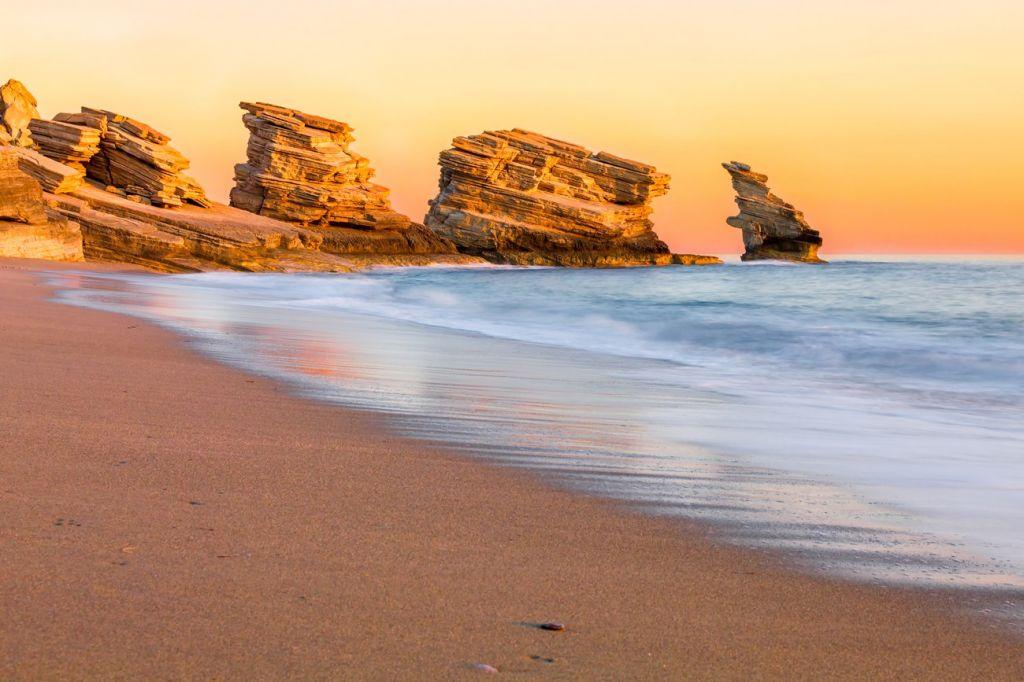
To truly understand Crete, one must step off the main road. Visit a mountain village during a local festival. Listen to the sound of the lyra echoing through a stone courtyard. Watch the sun disappear into the Libyan Sea from a quiet southern beach.
Crete is not just about seeing — it is about feeling. It is about the slow conversations, the untamed landscapes, and the powerful sense of continuity between past and present.
Beyond the journey, Crete becomes a story you carry with you long after you leave its shores.