If you’re reading this Crete travel guide blog, chances are you’re dreaming about turquoise waters, ancient ruins, and sun-soaked villages. And honestly? Crete delivers all that — and more.
Crete is the largest Greek island, sitting between Europe, Asia, and Africa. Because of this unique location, it blends cultures, flavors, and traditions in a way few destinations can. You’ll find dramatic mountains, palm-lined beaches, ancient palaces, and lively harbor towns — all within a short drive.

The island offers:

-
300+ days of sunshine per year
-
Rich Minoan history dating back 4,000 years
-
Some of Greece’s best beaches
-
World-famous Mediterranean cuisine
-
Warm, welcoming locals
Crete feels both adventurous and relaxing. One minute you’re hiking a gorge, the next you’re sipping raki by the sea.
Best Time to Visit Crete
Crete is a year-round destination, but timing can shape your experience.

Spring (April–June)
-
Ideal temperatures
-
Wildflowers in bloom
-
Fewer crowds
-
Perfect for hiking
Summer (July–September)
-
Hot and sunny
-
Best beach weather
-
Lively nightlife
-
Peak tourist season
Autumn (October–November)
-
Warm sea temperatures
-
Harvest season
-
Relaxed atmosphere
Winter (December–March)
-
Quiet and authentic
-
Snow in the mountains
-
Lower prices
For most travelers, May, June, and September offer the sweet spot between great weather and manageable crowds.
Top Cities and Regions to Explore
Heraklion – The Cultural Heart
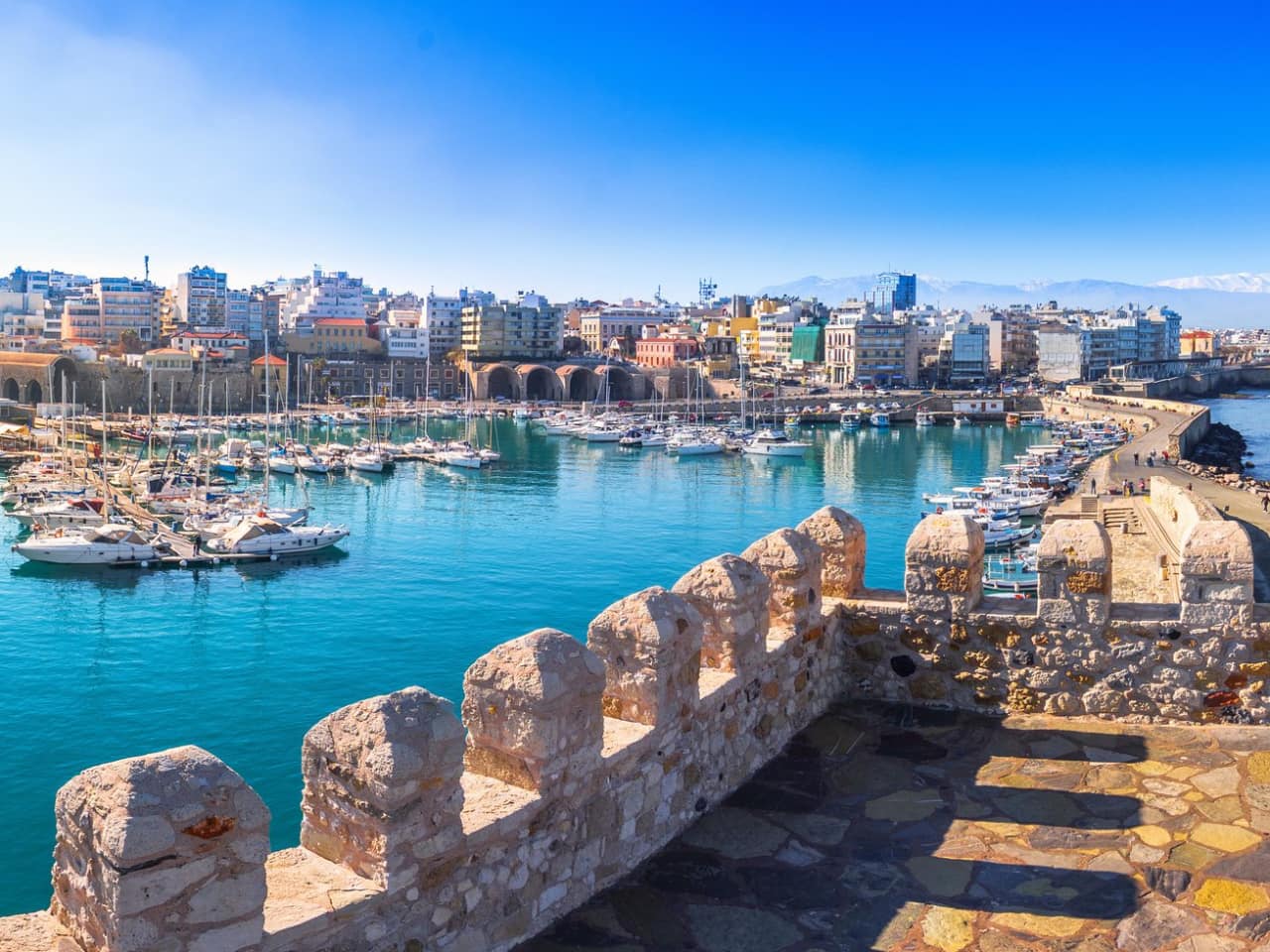

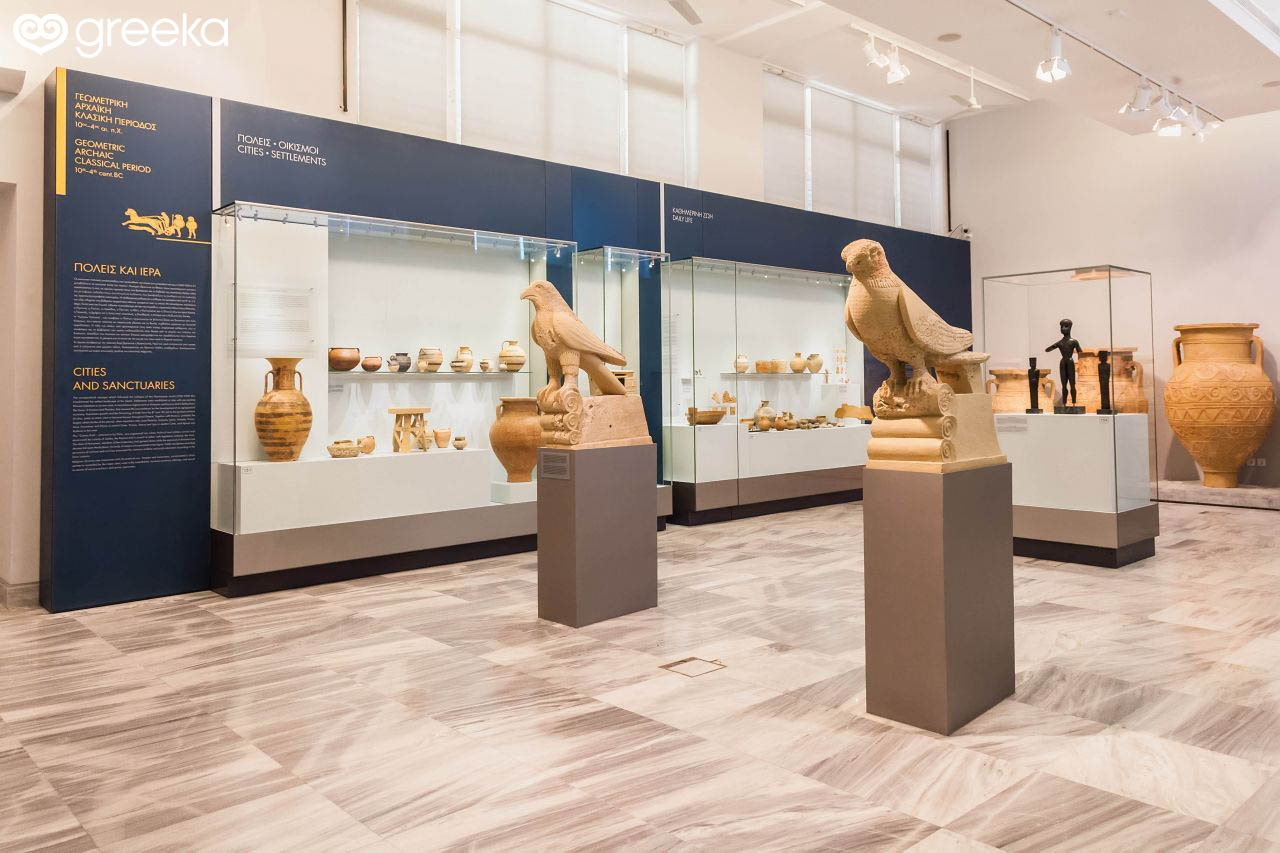
The capital city, Heraklion, blends modern life with ancient history.

Top attractions include:
-
Palace of Knossos
-
Heraklion Archaeological Museum
-
Koules Fortress by the harbor
Knossos is believed to be Europe’s oldest city and home to the legendary Minotaur myth. History lovers won’t want to miss it.
Chania – Venetian Beauty


Located on the west side of the island, Chania is postcard-perfect.
Stroll through:
-
Venetian harbor
-
Narrow stone alleys
-
Waterfront tavernas
-
Boutique shops
Chania combines romance and authenticity. Sunset here feels magical.
Rethymno – A Hidden Gem


Between Heraklion and Chania lies Rethymno, known for its charming old town and Venetian fortress.
Visit:
-
Fortezza of Rethymno
-
Long sandy beaches
-
Cozy cafés tucked into hidden corners
It’s smaller, quieter, and perfect for relaxed exploration.
Best Beaches in Crete


Crete is famous for its stunning coastline.
Top picks include:
-
Balos Lagoon – Shallow turquoise waters
-
Elafonissi Beach – Pink-tinted sand
-
Vai Beach – Europe’s largest palm forest
-
Falassarna – Wild beauty and sunsets
Each beach has a different personality. Some are family-friendly, others feel completely untouched.
Must-Visit Historical Sites
Crete was home to the ancient Minoan civilization — one of the oldest in Europe.
Beyond Knossos, explore:
-
Phaistos
-
Arkadi Monastery
-
Ancient Roman ruins in Gortyna
History isn’t just preserved here — it’s alive in every stone and village square.
Outdoor Adventures in Crete
Adventure seekers will love:
-
Hiking the Samaria Gorge
-
Scuba diving
-
Mountain biking
-
Jeep safaris
-
Sailing trips
Samaria Gorge stretches 16 km and is one of Europe’s longest gorges. The hike ends at the Libyan Sea — an unforgettable reward.
Cretan Cuisine Guide
Food in Crete isn’t just delicious — it’s part of the island’s identity.
What to Eat in Crete
Must-try dishes:
-
Dakos (Cretan bruschetta)
-
Slow-roasted lamb
-
Fresh seafood
-
Local olive oil
-
Graviera cheese
-
Raki (local spirit)
The Mediterranean diet, which originated here, is considered one of the healthiest in the world. Learn more about its benefits from the World Health Organization:
https://www.who.int/news-room/fact-sheets/detail/healthy-diet
Meals in Crete are social events. Don’t rush — savor every bite.
Traditional Villages to Discover
Step away from the coast and you’ll find authentic mountain villages like:
-
Archanes
-
Anogeia
-
Loutro
Here, life moves slower. You’ll see locals playing cards, tending olive groves, and sharing stories.
Family Travel in Crete
Crete is very family-friendly.
Kids will love:
-
Safe beaches
-
Water parks
-
Boat trips
-
Easy hikes
Many resorts offer family suites and kids’ activities.
Luxury Travel in Crete
For a high-end experience, Crete offers:
-
5-star seaside resorts
-
Private villas
-
Yacht charters
-
Gourmet dining experiences
-
Personalized tours
Luxury here feels elegant but relaxed — never pretentious.
Transportation in Crete
Crete has two main airports:
-
Heraklion International Airport
-
Chania International Airport
Renting a car is highly recommended. Public buses are reliable but limited for remote beaches.
Accommodation Guide
Options include:
-
Beachfront resorts
-
Boutique hotels
-
Traditional stone guesthouses
-
Private villas
Booking early during summer is essential.
Travel Tips & Cultural Etiquette
-
Greeks value hospitality
-
Dress modestly in monasteries
-
Learn a few words like “Kalimera” (Good morning)
-
Tipping 5–10% is appreciated
Crete is considered very safe for travelers.
Sustainable Tourism in Crete
Support eco-friendly travel by:
-
Choosing local businesses
-
Reducing plastic use
-
Respecting wildlife
-
Staying in eco-certified hotels
Responsible travel helps preserve the island’s natural beauty.
Crete Travel Guide Blog FAQs
1. How many days do you need in Crete?
At least 5–7 days to explore properly.
2. Is Crete expensive?
It offers options for every budget.
3. Do people speak English?
Yes, especially in tourist areas.
4. Is Crete good for couples?
Absolutely. It’s romantic and scenic.
5. Can you drink tap water?
Generally yes, but bottled water is common in summer.
6. Is Crete safe for solo travelers?
Yes, it’s one of the safest destinations in Europe.
Conclusion: Your Next Adventure Awaits
This Crete travel guide blog proves one thing: Crete is more than a beach destination. It’s a complete experience — history, nature, culture, and flavor all in one place.
Whether you’re planning a romantic getaway, a family holiday, or a solo adventure, Crete welcomes you with open arms.
Pack your bags. The island is waiting.