Crete Travel Tips: What Tourists Should Know

Crete Travel Tips: What Tourists Should Know Crete Travel Tips: What Tourists Should Know Crete Travel Tips: What Tourists Should Know

Crete, the largest island in Greece, is a destination that blends breathtaking landscapes, ancient history, vibrant culture, and unforgettable cuisine. Whether you’re planning your first visit or returning for more exploration, Crete offers something for every traveler—from beach lovers and hikers to history enthusiasts and foodies.

This comprehensive guide covers essential travel tips, insider advice, and practical information to help you make the most of your trip to Crete.


1. Understanding Crete: Geography & Regions

Crete is vast—more like a small country than a typical island. It stretches over 260 km from west to east, and each region has its own character.

Main Regions of Crete:

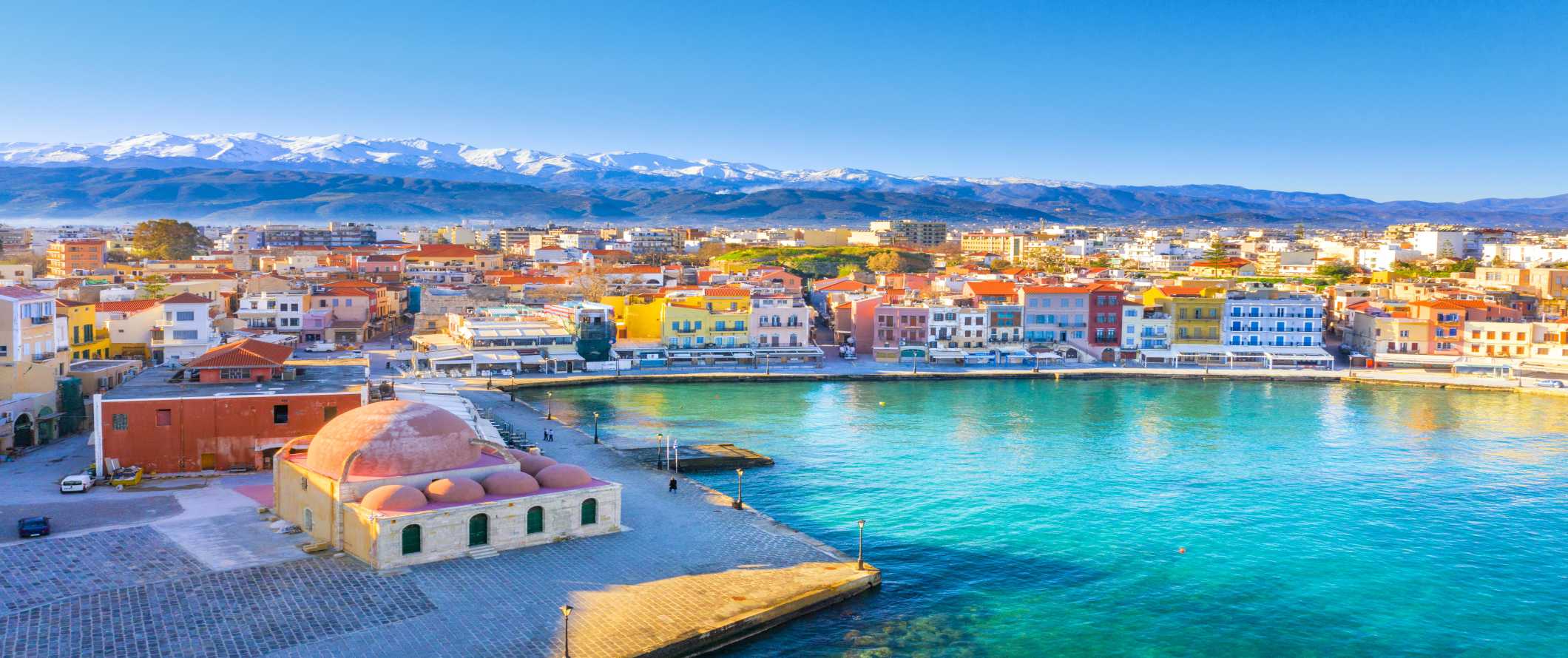
  • Chania (West Crete): Venetian architecture, famous beaches like Balos and Elafonissi
  • Rethymno (Central-West): Charming old town, quieter vibe
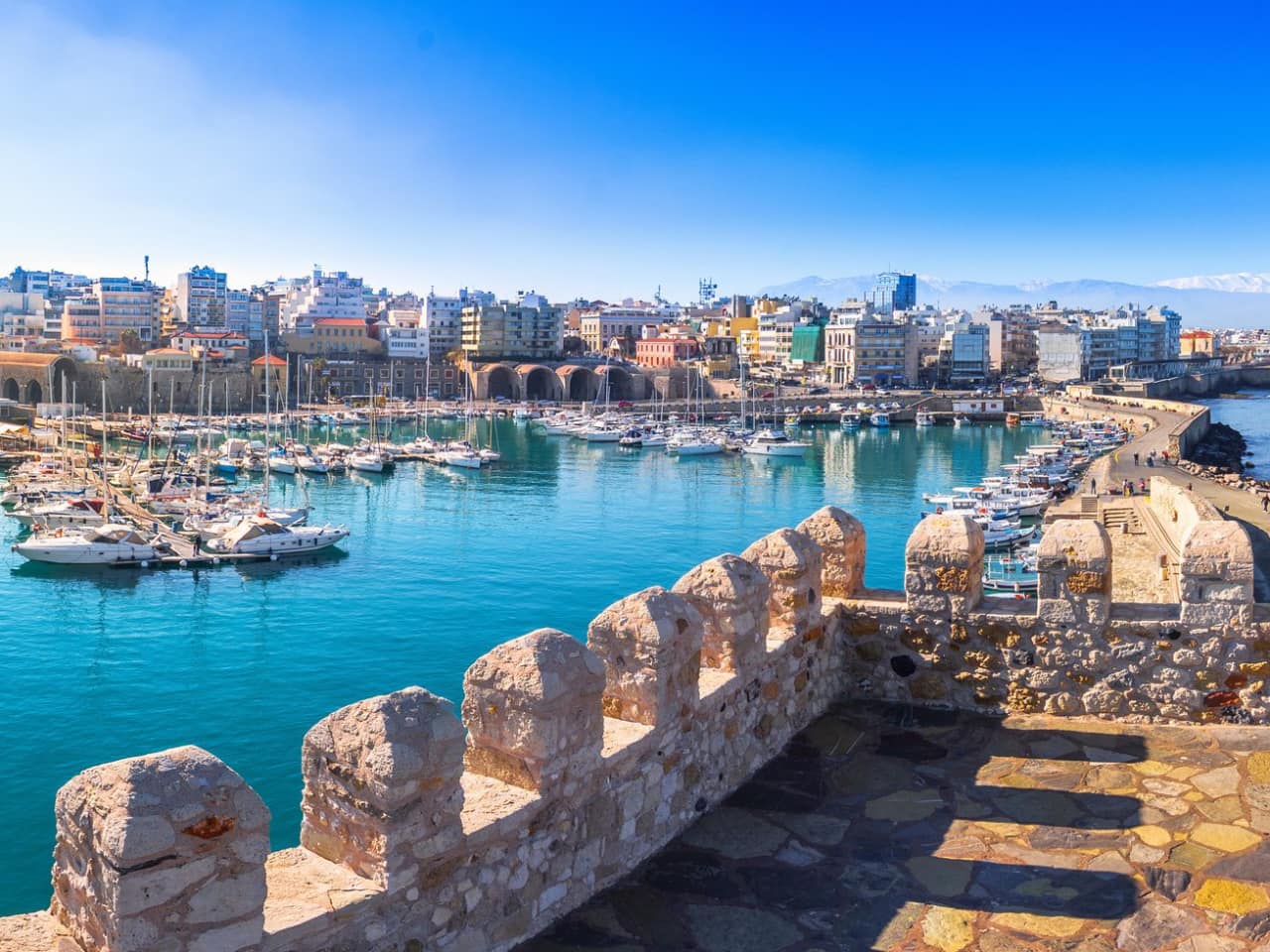
  • Heraklion (Central): Capital city, archaeological sites like Knossos
  • Lasithi (East Crete): Less crowded, authentic villages, luxury resorts in Elounda

Travel Tip:
Don’t try to see everything in one trip. Pick 1–2 regions and explore them deeply.


2. Best Time to Visit Crete

Crete enjoys a Mediterranean climate, making it a year-round destination.

Seasonal Breakdown:

  • Spring (April–June): Ideal for hiking, fewer crowds, blooming landscapes
  • Summer (July–August): Peak season, hot weather, busy beaches
  • Autumn (September–October): Warm sea, fewer tourists, perfect balance
  • Winter (November–March): Quiet, some attractions closed, great for local experience

Pro Tip:
Visit in May, June, or September for the best mix of weather and manageable crowds.


3. Getting Around Crete

Getting Around Crete Getting Around Crete Getting Around Crete

Transportation is one of the most important things to plan in Crete due to its size.

Options:

  • Car Rental (Recommended):
    • Best way to explore remote beaches and villages
    • Roads are generally good but can be narrow in mountains
  • Public Buses (KTEL):
    • Affordable and reliable between major cities
    • Limited access to hidden gems
  • Taxis:
    • Useful for short distances, but expensive for long trips

Travel Tip:
Rent a car if you want flexibility—especially if you’re staying more than 3–4 days.


4. Must-Visit Beaches in Crete

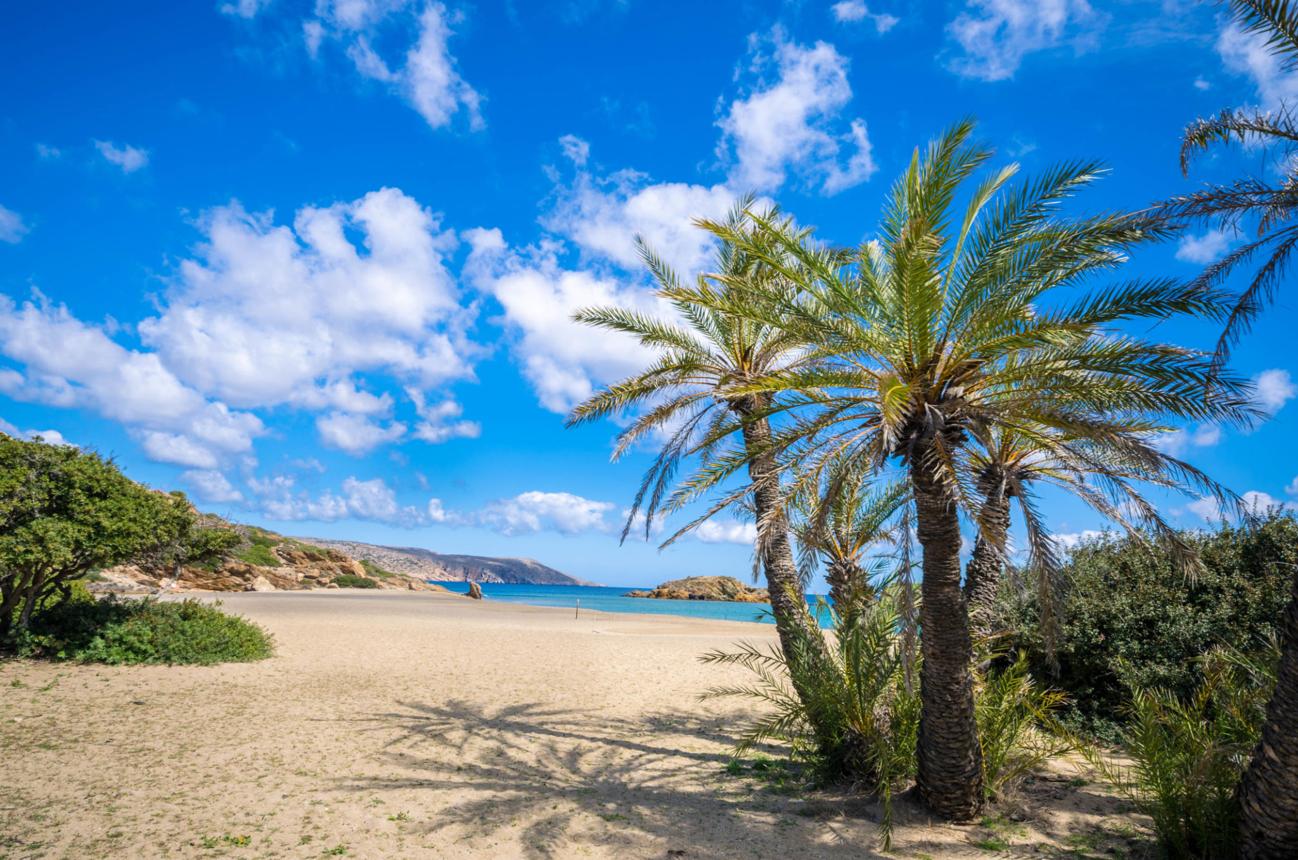
Must-Visit Beaches in Crete Must-Visit Beaches in Crete Must-Visit Beaches in Crete

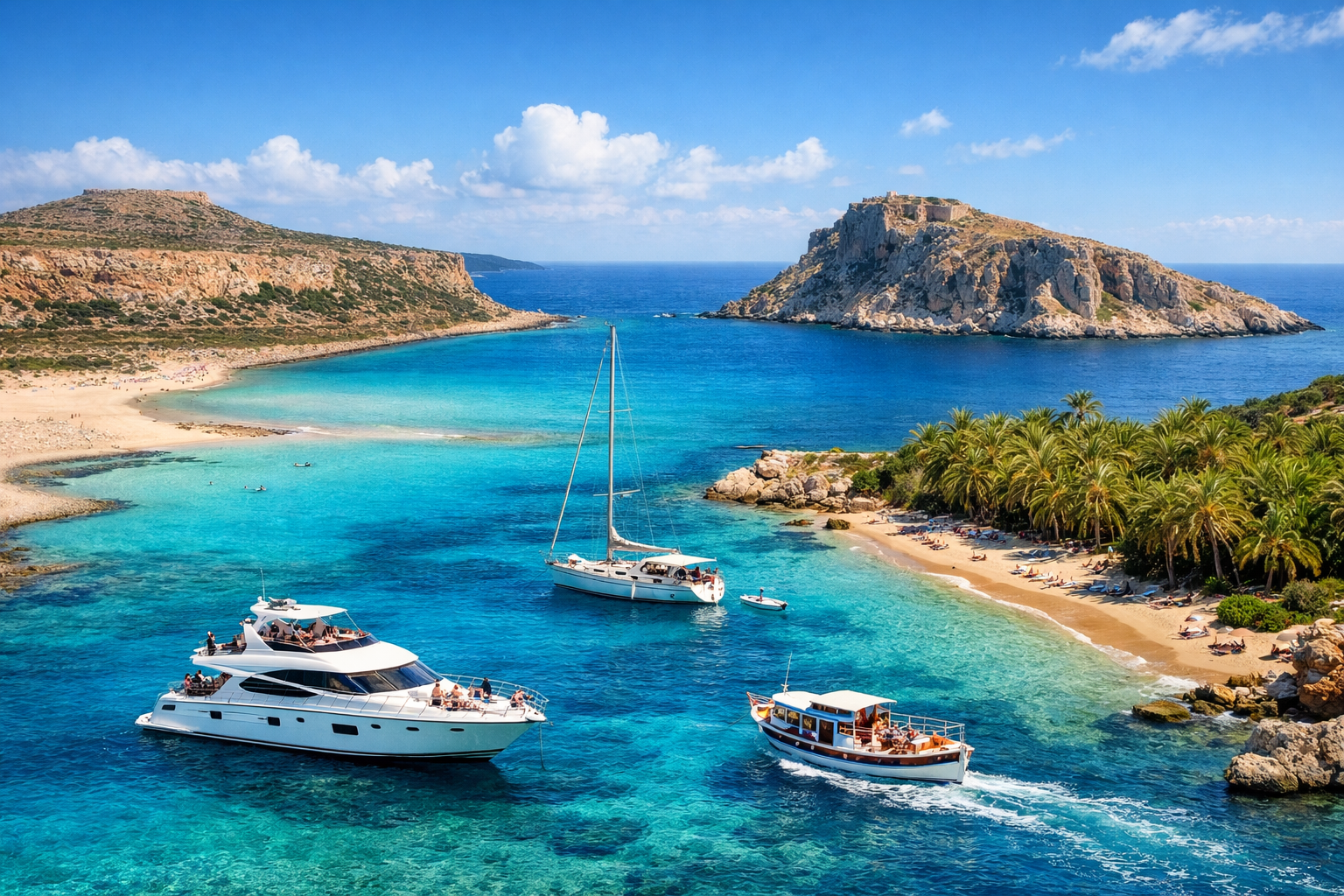
Crete is famous for its diverse and stunning beaches.

Top Beaches:

Pro Tip:
Arrive early in peak season—popular beaches get crowded quickly.


5. Historical Sites You Shouldn’t Miss

Historical Sites You Shouldn’t Miss  Historical Sites You Shouldn’t Miss Historical Sites You Shouldn’t Miss

Crete is the cradle of the ancient Minoan civilization, one of Europe’s earliest advanced societies.

Key Sites:

  • Knossos Palace: Legendary home of the Minotaur
  • Phaistos Palace: Less crowded alternative to Knossos
  • Spinalonga Island: Former leper colony with fascinating history
  • Arkadi Monastery: Symbol of Cretan resistance

Travel Tip:
Visit early in the morning or late afternoon to avoid crowds and heat.


6. Food & Drink: What to Try

Cretan cuisine is considered one of the healthiest in the world and is a cornerstone of the Mediterranean diet.

Must-Try Dishes:

  • Dakos: Barley rusk with tomato, feta, and olive oil
  • Kalitsounia: Sweet or savory cheese pies
  • Lamb with Stamnagathi: Traditional wild greens dish
  • Fresh Seafood: Especially in coastal tavernas

Drinks:

  • Raki (Tsikoudia): Local spirit often offered for free
  • Cretan Wine: Increasingly popular and high quality

Pro Tip:
Eat where locals eat—small family tavernas often have the best food.


7. Cultural Etiquette & Local Tips

Understanding local customs will enhance your experience.

Key Tips:

  • Greeks are warm and hospitable—don’t be surprised by generosity
  • Dress modestly when visiting monasteries
  • Tipping is appreciated but not mandatory (5–10%)
  • Learn a few Greek words like:
    • Kalimera (Good morning)
    • Efharisto (Thank you)

8. Budget & Costs

Crete can suit different budgets depending on your travel style.

Approximate Daily Costs:

  • Budget Traveler: €40–70
  • Mid-Range: €80–150
  • Luxury: €200+

Cost Breakdown:

  • Meals: €10–25 per person
  • Car rental: €30–70 per day
  • Accommodation:
    • Budget: €30–60
    • Mid-range: €70–150
    • Luxury: €200+

Money Tip:
Carry some cash—small villages may not accept cards.


9. Safety & Practical Advice

Crete is generally very safe, but here are a few precautions:

  • Drive carefully on mountain roads
  • Watch for strong currents at some beaches
  • Stay hydrated in summer heat
  • Use sunscreen—sun exposure is intense

Emergency number in Greece: 112


10. Hidden Gems in Crete

If you want to avoid crowds, explore beyond the famous spots.

Lesser-Known Places:

  • Loutro Village: No cars, only accessible by boat or hiking
  • Kournas Lake: The only freshwater lake in Crete
  • Anogeia Village: Authentic mountain culture
  • Seitan Limania Beach: Dramatic canyon-like setting

Insider Tip:
Ask locals for recommendations—some of the best spots aren’t on maps.


11. Hiking & Nature Adventures

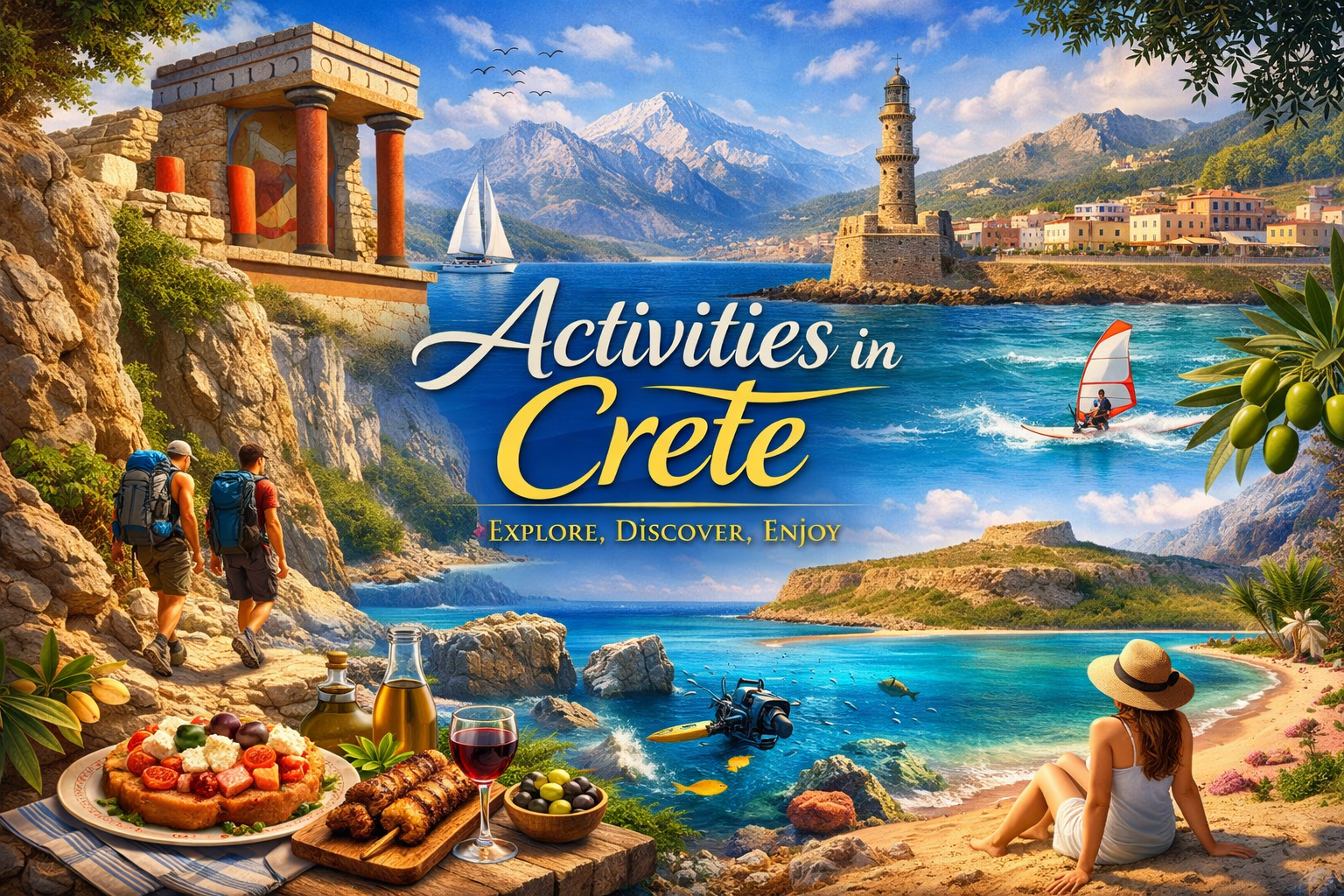
Hiking & Nature Adventures Hiking & Nature Adventures Hiking & Nature Adventures

Crete is a paradise for outdoor lovers.

Top Hiking Spots:

  • Samaria Gorge: One of Europe’s longest gorges (16 km)
  • Imbros Gorge: Easier alternative to Samaria
  • White Mountains (Lefka Ori): Stunning alpine landscapes

Hiking Tip:
Wear proper shoes and start early—temperatures rise quickly.


12. Where to Stay in Crete

Choosing the right base is key.

Best Areas:

  • Chania: Romantic, scenic, great for first-time visitors
  • Heraklion: Best for history and central access
  • Rethymno: Balanced, less crowded
  • Elounda/Agios Nikolaos: Luxury and relaxation

13. Internet, Connectivity & Travel Essentials

  • Wi-Fi is widely available in hotels and cafes
  • SIM cards are affordable and easy to get
  • EU roaming applies for EU travelers

What to Pack:

  • Sunscreen & hat
  • Comfortable walking shoes
  • Swimwear
  • Light clothing + a jacket for evenings

Final Thoughts

Crete is not just a destination—it’s an experience filled with contrasts: wild mountains and calm beaches, ancient ruins and modern comforts, quiet villages and lively towns.

The key to enjoying Crete is simple: slow down, explore deeply, and embrace the local way of life.

Whether you’re sipping raki in a village taverna, hiking through dramatic gorges, or swimming in crystal-clear waters, Crete will leave a lasting impression that keeps calling you back.

Απαντήστε