Easter in Crete: A Complete Guide to Traditions, Food, Faith, and Springtime Magic
If you are looking for a truly unforgettable Mediterranean holiday, Easter in Crete is one of the most authentic and emotionally powerful experiences you can have in Greece. More than a seasonal celebration, Greek Easter in Crete is a blend of faith, family, village life, local gastronomy, and centuries-old ritual. Across the island, Holy Week fills churches, town squares, and mountain villages with candlelight, flowers, bells, hymns, feasting, and the unmistakable feeling that this is the most important celebration of the year. In Crete, Easter is not treated as a side event for tourists. It is lived deeply, socially, spiritually, and joyfully.
What makes Easter holidays in Crete so special is the way the island combines religious devotion with everyday Cretan warmth. The traditions are Orthodox and distinctly Greek, but the setting is unmistakably Cretan: whitewashed chapels, village ovens, flowers on the Epitaphios, trays of sweet pastries, lamb roasting outdoors, and generous glasses of wine or raki shared among relatives, neighbors, and often complete strangers. Spring also gives the island a softer, greener beauty, which adds another layer to the experience. For travelers searching for culture, community, and genuine local life, spring in Crete during Easter offers far more than sightseeing. It offers participation.
Why Easter in Crete matters so much
To understand Crete Easter traditions, you first need to understand the significance of Easter in Greece. In Orthodox life, Easter is the most meaningful religious celebration of the year, even more emotionally central than Christmas for many families. Preparations begin long before Easter Sunday, with fasting, church attendance, cleaning the home, baking, and community rituals that gradually build toward the Resurrection. On Crete, these traditions are not isolated inside church walls. They spill into homes, bakeries, courtyards, village squares, and entire neighborhoods. The celebration becomes collective, and that is one reason why traditional Easter in Greece feels especially intense on the island.
Another reason Holy Week in Crete stands out is the island’s strong sense of identity. Cretan culture is famous for hospitality, music, food, and an attachment to local customs that continue from one generation to the next. Discover Greece describes Crete as a place of enduring traditions, generosity, and a deep love of gathering around the table. During Easter, all of those characteristics become more visible. Visitors do not just observe ceremonies; they often find themselves invited into the social world around them. That is why so many people who experience Cretan village Easter once start planning to return.
Holy Week in Crete: the days that build the atmosphere
The beauty of Holy Week in Crete lies in its rhythm. The days before Easter Sunday are filled with preparation, reflection, and symbolic acts. From Palm Sunday onward, services begin to intensify, and villages move into a different emotional tempo. Homes are cleaned, food preparation starts, and people begin returning to their family villages. Even before the major ceremonies, you can feel that something important is approaching. Churches fill more often, candles appear in homes and shops, and communities begin shaping the visual and emotional landscape of the days ahead.
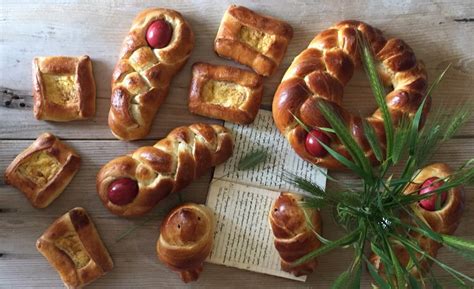
Holy Thursday is one of the most recognizable moments of Greek Easter in Crete. It is the day when many families dye eggs red, a custom connected with the symbolism of Christ’s blood and the promise of renewed life. It is also closely associated with baking. According to Cretan and Greek Easter tradition, homes and bakeries prepare sweet breads and pastries such as tsoureki, koulourakia, and the beloved Cretan kalitsounia. Discover Crete also notes the preparation of traditional Easter baked goods known as ta zymotá tis Lambris, highlighting how deeply baking is woven into the identity of Easter on the island. The smell of dough, spices, cheese, and fresh baking is part of the sensory signature of Easter in Crete.
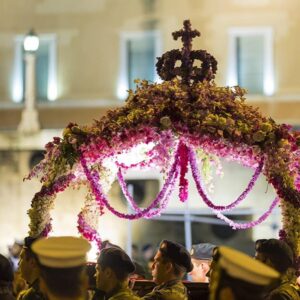
Good Friday brings one of the most moving experiences of Crete Easter traditions: the procession of the Epitaphios. The flower-decorated bier representing Christ’s tomb is prepared and carried through streets and village lanes, accompanied by hymns, candlelight, and a profoundly solemn atmosphere. Bells toll mournfully, and the mood shifts from preparation to grief and reverence. Even for non-religious visitors, Good Friday in Crete can be deeply affecting because it combines public ritual with visible community participation. It is not a spectacle in the commercial sense; it is a living act of remembrance, and that sincerity is what gives the moment its force.
Then comes Holy Saturday and the long-awaited Anastasi in Crete, the Resurrection service at midnight. Churches are darkened before the Holy Light is shared among the congregation. People hold white candles, or lambades, and wait for the moment when the priest proclaims, “Christos Anesti” — Christ is Risen. Immediately, the atmosphere changes from solemnity to celebration. Firecrackers and cheers break the silence, candles glow across churchyards and streets, and families head home to break the fast. This transition from mourning to joy is one of the strongest reasons why Easter Sunday in Crete feels so meaningful: the emotional arc has been built over many days, not just one festive meal.
The unique local customs that define Easter in Crete
One of the customs most closely associated with Easter in Crete is the burning of Judas. In many villages, boys and young men gather wood and build a large bonfire, placing an effigy of Judas at the top. After the Resurrection service, the effigy is set alight. Sources describing the custom in Crete note that it is especially widespread across villages, where the bonfire becomes a dramatic public symbol tied to betrayal, punishment, and the triumph of good over evil. This is one of the clearest examples of how Crete Easter traditions combine church ritual with community theater and local participation.
But the real uniqueness of Greek Easter in Crete is not only in one custom. It is in the social fabric around the celebration. Easter is communal at every level: families return to ancestral villages, neighbors help with preparations, women gather to decorate the Epitaphios or bake pastries, and entire communities share food after midnight or on Easter Sunday. Cretan hospitality is already famous throughout Greece, but during Easter it becomes even more visible. The island’s culture of generosity, long tables, laughter, and storytelling turns the holiday into a shared experience rather than a private observance. For visitors, that often becomes the most memorable part of things to do in Crete at Easter: simply being present with local people.
Cretan Easter food: the flavors of the season
No article about Cretan Easter food would be complete without talking about the pastries. Kalitsounia are among the most iconic treats of the island and are especially associated with the Easter period. Visit Greece describes them as one of the most beloved Cretan sweets and specifically notes them as a treat served on Easter Day. Cretan Easter tables also include lychnarakia, variations of sweet cheese pastries made with local cheese such as mizithra, often scented with cinnamon and sometimes drizzled with honey. These pastries are more than desserts. They are edible expressions of local identity, family memory, and seasonal celebration.
Alongside them come the classic Easter baked goods found across Greece but warmly embraced in Crete: tsoureki, the braided sweet bread, and koulourakia, the buttery Easter biscuits. Holy Thursday is strongly linked with their preparation, and their presence on the Easter table helps mark the shift from fasting to celebration. Discover Crete’s reference to zymotá tis Lambris also shows how important kneaded Easter breads are in the Cretan imagination. In practical SEO terms, if someone searches for traditional Cretan Easter bread, Cretan Easter pastries, or what to eat in Crete at Easter, these are exactly the foods that define the season.
After the Resurrection service, many families break the fast with magiritsa, a rich soup traditionally made with lamb offal, herbs, and egg-lemon sauce. This is one of the most characteristic foods of Orthodox Easter night, and it marks the end of the fasting period that precedes the feast. Cretamaris and VisitCrete both highlight magiritsa as the dish associated with the midnight celebration, showing how food in Holy Week in Crete is never random. Every dish belongs to a particular moment, and every moment carries symbolism.
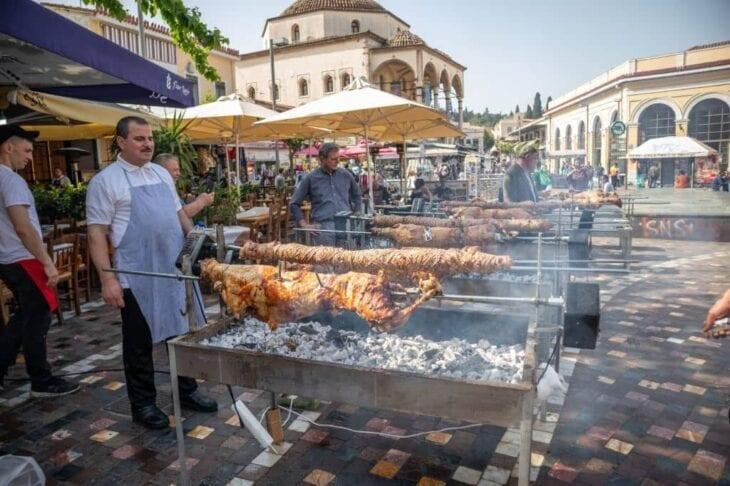
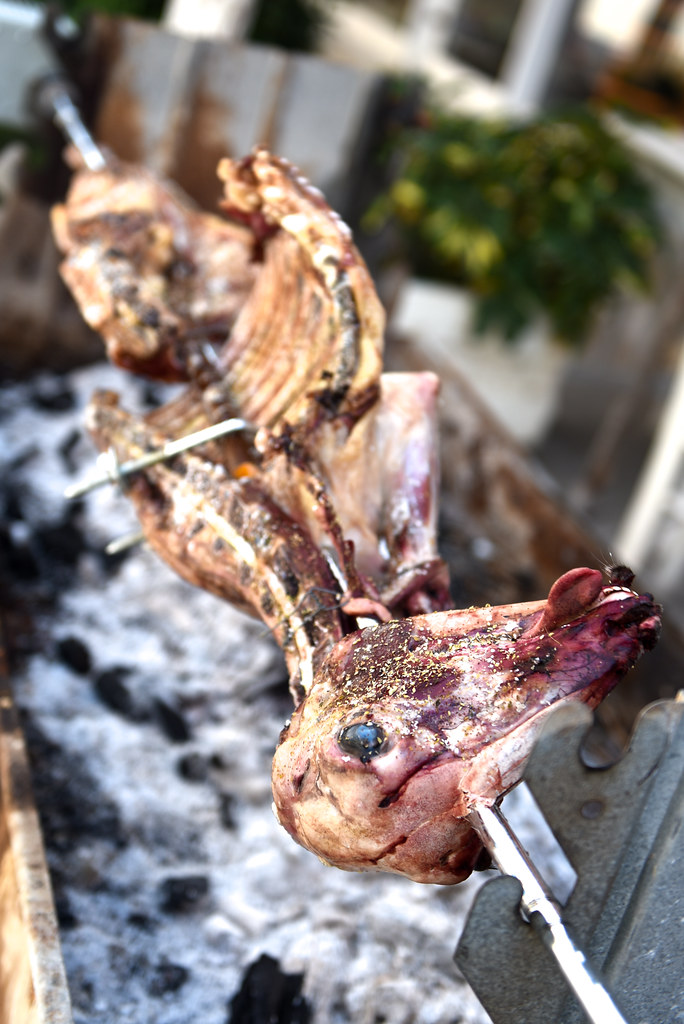
Then comes the centerpiece of Easter Sunday in Crete: lamb roasted on the spit. Families gather outdoors from early in the day, tending the fire, rotating the lamb, sharing meze, drinking wine and raki, and welcoming relatives and friends into a long, leisurely celebration. Red eggs are cracked in the custom known as tsougrisma, pastries reappear, music may start, and the meal can last for hours. This is where Easter feast in Crete becomes a full expression of island life — culinary, social, emotional, and proudly local.
What travelers can expect during Easter in Crete
For visitors, Easter travel to Crete offers something different from a standard spring holiday. You are not coming only for beaches or archaeology, although both remain available. You are arriving at a moment when the island’s culture is unusually visible and emotionally open. The ceremonies, the food, the village gatherings, and the return of families to their hometowns create a powerful sense of belonging. VisitCrete emphasizes that travelers can experience authentic cultural immersion, local hospitality, and the beauty of the season all at once. Those are not empty tourism phrases. At Easter, they are genuinely observable on the ground.
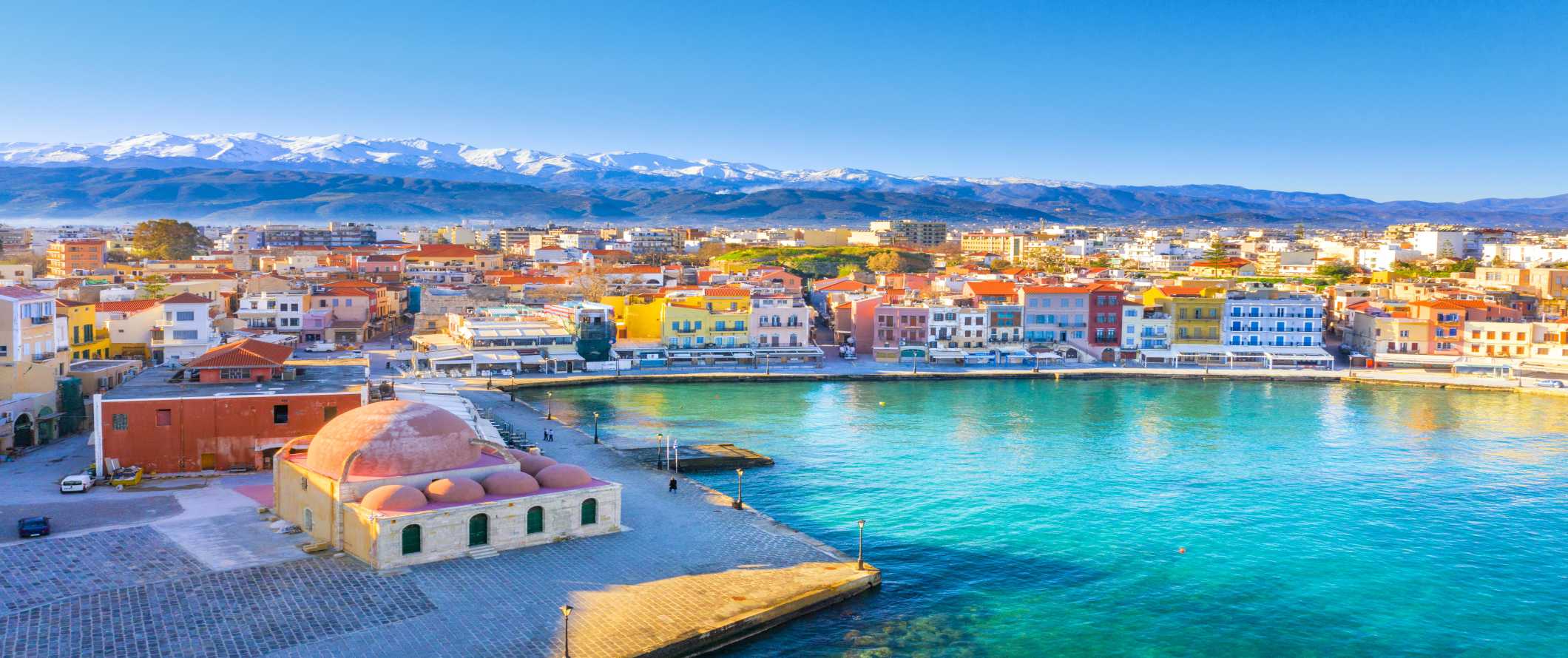
That said, things to do in Crete at Easter are not the same as a summer itinerary. The best experiences are often simple: attending the Good Friday procession, standing in a churchyard for the midnight Resurrection, watching candles move through the dark, tasting kalitsounia from a village bakery, or being invited to an Easter Sunday table. The richest version of traditional Easter in Greece is often found not in the most commercial setting but in the most local one. Smaller towns and villages tend to preserve the strongest sense of continuity, although larger cities such as Chania and Heraklion also offer memorable services and festivities.
It also helps to approach Easter in Crete with respect. Dress modestly if you attend church services. Observe before photographing sensitive moments. Remember that for many residents this is a sacred period first and a travel experience second. Visitors who show courtesy are often met with extraordinary warmth. In Crete especially, hospitality tends to reward sincerity. A traveler who arrives curious and respectful often leaves with far more than good photos: they leave with conversations, invitations, shared meals, and a much deeper understanding of what Greek Easter in Crete really means.
Why Easter in Crete is ideal for culture-focused travel content
From a content and SEO perspective, Easter in Crete is a strong topic because it sits at the intersection of travel, religion, food, culture, and seasonality. Search intent around this theme is varied and valuable. Some readers want practical travel inspiration. Others are searching for Crete Easter traditions, Cretan Easter food, or Holy Week in Crete because they want to understand the customs before visiting. Others are simply searching for a more authentic Greek holiday experience. That means the topic has strong long-tail potential and works well for blog posts, destination guides, hotel content, tour operator pages, and cultural articles alike.
It also performs well because the emotional language of the experience is naturally strong. Keywords such as spring in Crete, Anastasi in Crete, Good Friday in Crete, Easter Sunday in Crete, traditional Easter in Greece, and Cretan village Easter all point to vivid, experience-based content. Unlike generic travel topics, this one already comes with atmosphere: candlelight, bells, flowers, baking, smoke from the lamb roast, church hymns, and village hospitality. In other words, the destination and the emotion are tightly linked, which is exactly what strong destination writing needs.
Final thoughts
In the end, Easter in Crete is not just a holiday on a beautiful Greek island. It is a season of meaning, memory, and collective identity. It begins with fasting and preparation, moves through solemn processions and symbolic customs, and culminates in candlelit Resurrection and a joyful Sunday feast. Along the way, it reveals nearly everything that makes Crete special: deep-rooted faith, enduring local traditions, exceptional food, powerful community bonds, and a style of hospitality that feels immediate and genuine.
For anyone searching for the best place to experience Greek Easter, Crete deserves to be at the top of the list. Whether your interest is spiritual, cultural, culinary, or simply human, Greek Easter in Crete offers an experience that is vivid, generous, and unforgettable. It is one of the rare travel moments that feels both timeless and completely alive. And that is why, year after year, Easter holidays in Crete remain one of the most meaningful ways to discover the true heart of the island.