Dakos (Cretan Ntakos): The Story, Origins & Authentic Recipe
Introduction
Few dishes capture the spirit of the Mediterranean as vividly as Dakos (also spelled Ntakos). This rustic Cretan specialty is a celebration of simplicity: barley rusks softened with ripe tomatoes, crowned with creamy local cheese, drizzled with fragrant olive oil, and dusted with oregano. Yet behind its humble appearance lies a story deeply intertwined with the land, climate, and people of Crete. Dakos is not just a salad or a snack—it is a living expression of Cretan history, agricultural wisdom, and the philosophy of using seasonal ingredients with minimal waste.
In today’s global culinary landscape, where elaborate techniques and exotic ingredients often dominate, Dakos stands as a reminder that flavor does not require complexity. It thrives on the synergy of sun-ripened tomatoes, extra virgin olive oil, aged barley bread, and fresh cheese. Its ingredients reflect the agricultural backbone of Crete: olive groves, grain fields, and pastoral traditions. Each bite tells a story of adaptation, resilience, and continuity.
This article explores Dakos in depth—its origins, evolution, cultural significance, ingredients, variations, and, of course, a detailed authentic recipe that you can prepare at home. By the end, you will understand why this dish has endured for centuries and why it remains one of the most beloved icons of Cretan cuisine.
The Origins of Dakos
Dakos originates from the Greek island of Crete, the largest island in Greece and one of the oldest continuously inhabited regions in Europe. Crete’s culinary traditions are shaped by its geography—mountainous terrain, fertile plains, abundant coastline—and its long history of civilizations, from the Minoans to the Byzantines and Venetians.
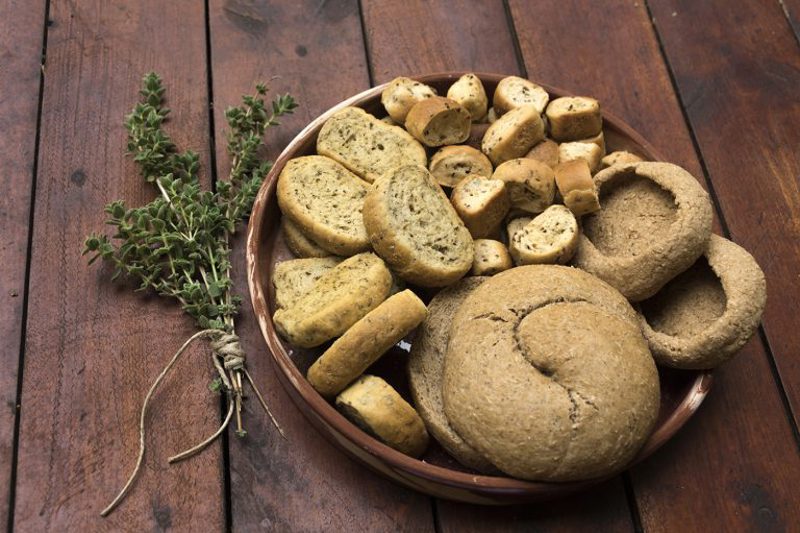
The core element of Dakos is the barley rusk, known in Greek as paximadi. Paximadia were essential to Cretan life because they could be stored for months without spoiling. In a region where fresh bread would quickly grow mold due to humidity and limited preservation methods in earlier centuries, double-baked bread was a practical necessity. By baking bread, slicing it, and baking it again to remove moisture, families created a durable staple that could be kept year-round.
Barley was widely cultivated in Crete because it thrived in dry, rocky soils. Unlike wheat, barley required less water and could withstand the island’s harsh summer climate. The resulting barley rusks were hard and dry—but when softened with water, tomato juice, or olive oil, they transformed into a hearty, satisfying base for meals.
The name “Dakos” is believed to derive from a word referring to a bite or piece of bread. In Crete, the dish is also called koukouvagia, meaning “owl,” because the rusk with its toppings resembles the large eyes of an owl when sliced tomatoes and cheese are arranged on top.
Dakos is often compared to Italian bruschetta, but its roots are distinctly Cretan. While both dishes involve bread and tomatoes, Dakos evolved from necessity and rural tradition rather than from culinary fashion.
Historical Context: Bread, Barley, and Survival
To understand Dakos, one must understand Cretan history. For centuries, Crete was shaped by occupation and hardship—from Venetian rule (1205–1669) to Ottoman domination (1669–1898). Rural communities relied heavily on self-sufficiency. Wheat, olive oil, wine, legumes, and dairy formed the foundation of everyday sustenance.
Barley rusks were indispensable for shepherds and farmers who spent long days away from home. A rusk carried in a cloth bag could be moistened with a splash of water from a flask and topped with whatever was available: a bit of cheese, crushed tomato, olives, or herbs gathered from the hills. This portability made Dakos a practical and nourishing meal.
Tomatoes, interestingly, were not native to Greece. They arrived in Europe after the Columbian Exchange in the 16th century and became widely used in Greek cuisine much later. Once tomatoes were embraced, they naturally paired with the existing rusk tradition, enriching Dakos with color and juiciness.
Olive oil has been central to Cretan identity since antiquity. Archaeological findings from the Minoan civilization (circa 2000 BCE) show that olive oil was stored in large clay vessels called pithoi. Olive oil was not only food but also medicine, cosmetic, and ritual offering. In Dakos, olive oil acts as both flavor enhancer and softening agent for the dry rusk.
The Cultural Significance of Dakos in Crete
In Crete, Dakos is more than a dish; it is part of social life. It appears at family gatherings, village festivals, and casual meze tables. It is served as an appetizer, light lunch, or accompaniment to raki—the traditional Cretan spirit.
The philosophy behind Dakos aligns with the broader principles of the Cretan diet, often highlighted as a cornerstone of the Mediterranean diet. The Cretan diet emphasizes:
High consumption of olive oil
Seasonal vegetables and fruits
Whole grains
Moderate dairy (mostly goat and sheep)
Minimal processed foods
Numerous studies in the 20th century noted the remarkable longevity and heart health of Cretan populations, particularly in rural areas. While many factors contribute to this phenomenon, the consistent use of olive oil and plant-based ingredients is widely recognized as beneficial.
Dakos embodies these principles perfectly. It is nutrient-dense, rich in fiber, antioxidants, and healthy fats. It requires no frying, no heavy sauces—just freshness and balance.
Key Ingredients of Authentic Dakos
1. Barley Rusks (Paximadia)
Traditional Dakos uses Cretan barley rusks. These are thick, round, and extremely hard. They must be lightly moistened before serving—just enough to soften the surface without making them soggy.
Modern variations sometimes use wheat rusks, sourdough bread, or even toasted baguette slices. However, barley remains the most authentic choice.
2. Tomatoes
Ripe, sweet tomatoes are essential. In Crete, sun-grown summer tomatoes burst with flavor. They are usually grated rather than chopped, allowing the juices to soak into the rusk evenly.
3. Cheese
The classic topping is mizithra, a fresh whey cheese made from sheep or goat milk. When mizithra is unavailable, feta is commonly substituted outside Greece. Mizithra is milder and creamier than feta, offering a delicate balance to the acidity of tomatoes.
4. Extra Virgin Olive Oil
High-quality Cretan olive oil is non-negotiable. Its fruity, slightly peppery notes elevate the dish. A generous drizzle is traditional.
5. Oregano
Dried wild oregano, abundant in the Cretan mountains, provides aroma and authenticity.
6. Optional Additions
Capers
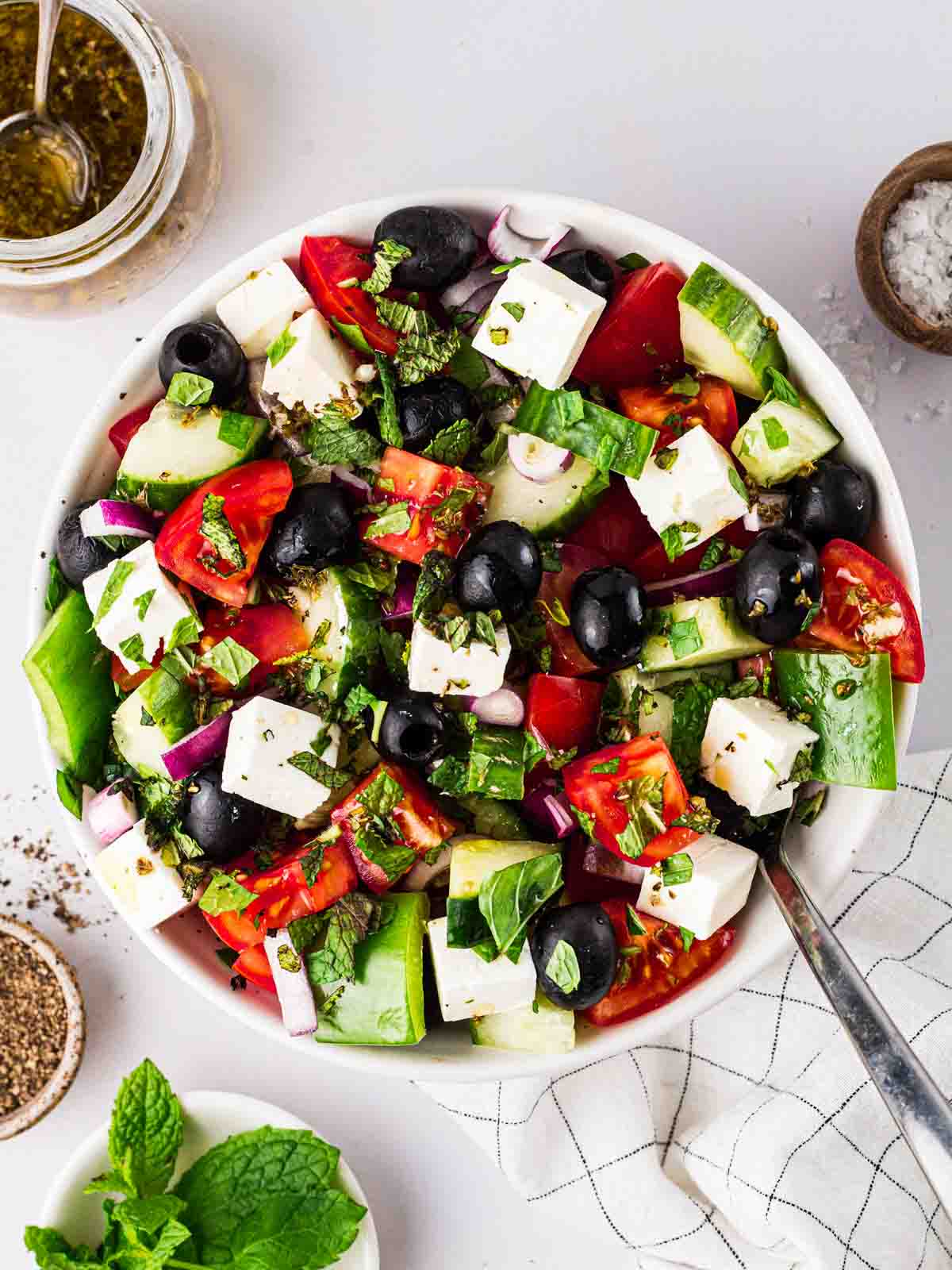
Kalamata olives
Red onion
Green bell pepper
Fresh basil
Authentic Dakos Recipe (Step-by-Step)
Ingredients (Serves 2–4)
2 large barley rusks
3–4 ripe tomatoes
150–200g fresh mizithra (or feta)
4–5 tablespoons extra virgin olive oil
1 teaspoon dried oregano
Sea salt to taste
Optional: olives, capers, chopped onion
Step 1: Prepare the Rusks
Lightly sprinkle the barley rusks with water. Do not soak them completely—just dampen the surface. Alternatively, run them briefly under a tap and shake off excess water.
Place them on a serving plate.
Step 2: Grate the Tomatoes
Cut the tomatoes in half and grate them over a bowl, discarding the skins. This produces a fresh tomato pulp.
Add a pinch of salt and stir.
Step 3: Assemble the Base
Spoon the grated tomato generously over each rusk. Allow the juice to seep into the bread.
Step 4: Add the Cheese
Crumble mizithra (or feta) over the tomato layer.
Step 5: Drizzle Olive Oil
Pour extra virgin olive oil generously over the top. This softens the rusk further and enhances flavor.
Step 6: Season
Sprinkle oregano and add optional toppings like olives or capers.
Serve immediately while the rusk maintains some texture.
Regional and Modern Variations
While the traditional version remains beloved, chefs and home cooks experiment with variations:
Seafood Dakos: topped with octopus or sardines
Avocado Dakos: a modern fusion addition
Vegan Dakos: using almond or cashew cheese
Winter Dakos: using sun-dried tomatoes
Each variation preserves the core structure: rusk + tomato + cheese + olive oil.
Nutritional Benefits
Dakos is nutritionally balanced:
Whole grains → fiber and sustained energy
Tomatoes → vitamin C and lycopene
Olive oil → heart-healthy monounsaturated fats
Cheese → protein and calcium
It is filling yet light—ideal for warm climates.
Dakos in Contemporary Cuisine
Today, Dakos appears on menus across Greece and internationally. Fine-dining chefs reinterpret it with deconstructed presentations, yet its rustic origins remain evident.
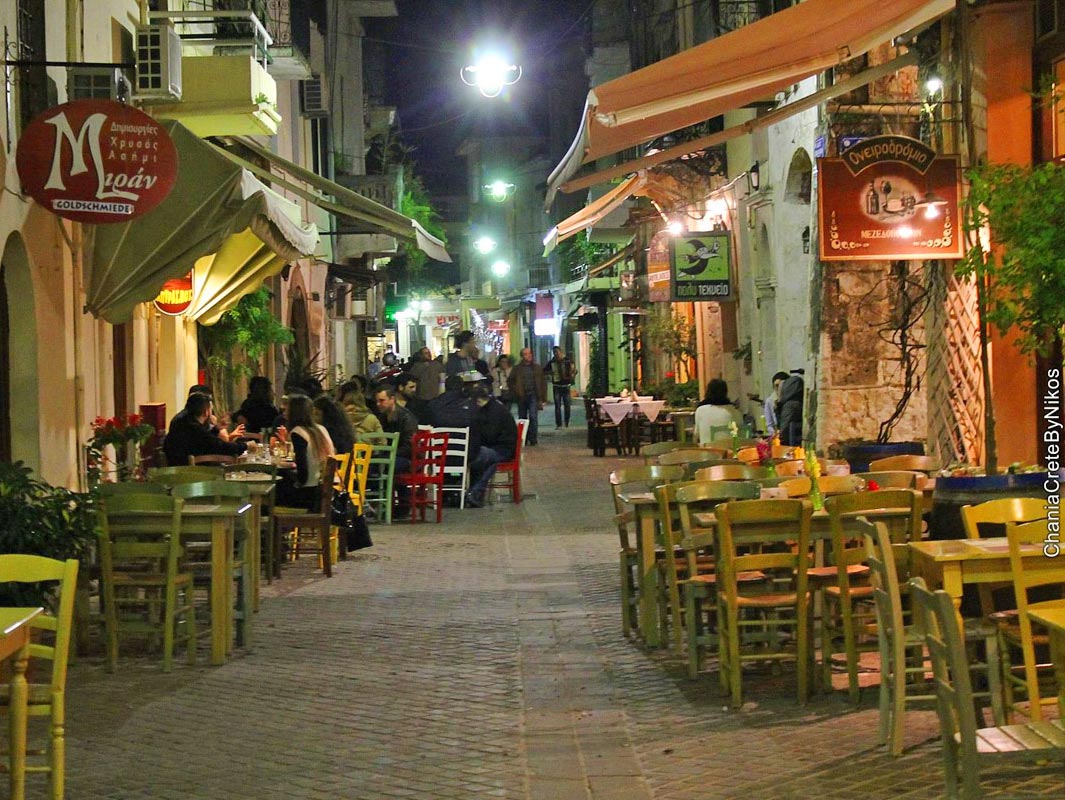
Tourists visiting Crete often encounter Dakos early in their culinary journey, as it is widely served in tavernas and seaside restaurants. It has become an ambassador of Cretan gastronomy.
Conclusion
Dakos is proof that culinary greatness does not require extravagance. Born from necessity, shaped by climate, and sustained by tradition, it represents the heart of Cretan culture. From ancient barley cultivation to modern Mediterranean diet acclaim, Dakos carries centuries of history in every bite.
Preparing Dakos at home connects you to that lineage. With just a handful of ingredients and a respect for quality, you recreate a dish that has nourished generations.
In a world increasingly drawn to authenticity and sustainability, Dakos stands timeless—simple, honest, and profoundly delicious.